Understanding On-Site Hydraulic Repair
On-site hydraulic repair is a critical service that ensures the optimal functioning of hydraulic systems. It enables technicians to address hydraulic issues directly at the location of the equipment, minimizing the disruptions often caused by off-site repairs. This process is not only convenient but also plays a pivotal role in maintaining productivity and operational efficiency. In this comprehensive guide, we will explore the nuances of on-site hydraulic repair, including its various components, benefits, challenges, and best practices.
What is On-Site Hydraulic Repair?
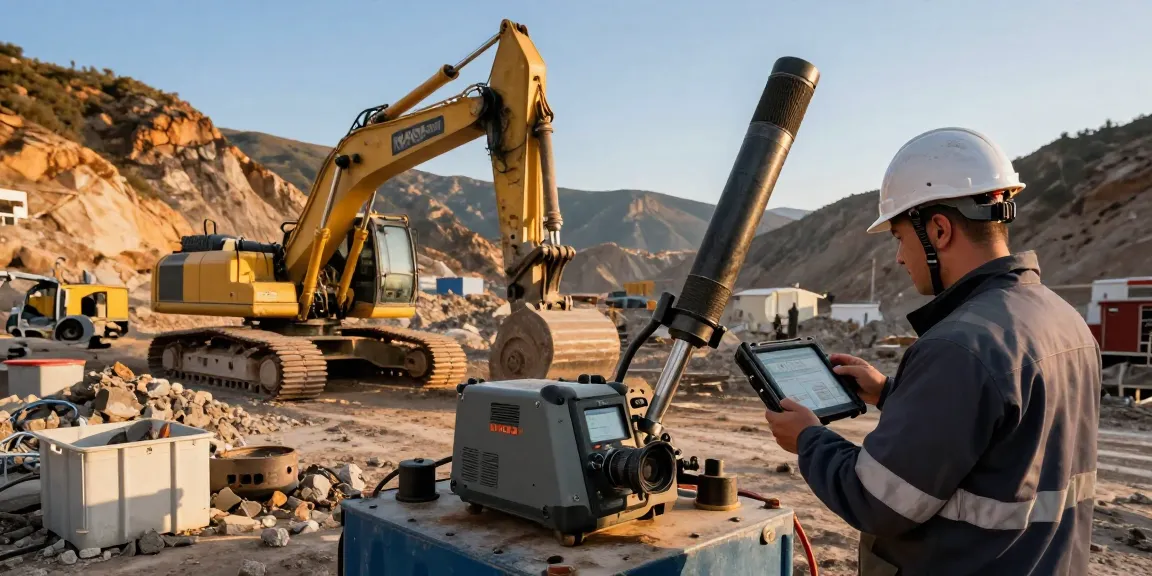
On-site hydraulic repair refers to the procedures and techniques employed to fix hydraulic systems at the site where they are installed. This method eliminates the need to transport heavy machinery to a repair facility, significantly reducing downtime. Technicians equipped with specialized tools and expertise can diagnose and resolve issues ranging from minor leaks to major component failures without having to relocate the equipment.
Common Issues Addressed by On-Site Hydraulic Repair
Hydraulic systems can encounter a myriad of problems, including:
- Fluid leaks caused by worn seals or damaged hoses.
- Low fluid levels impacting system performance.
- Contamination of hydraulic fluid affecting the system's efficiency.
- Faulty pumps or motors leading to decreased power output.
- Overheating due to excessive load or inadequate cooling.
Addressing these issues promptly through on-site hydraulic repair can prevent widespread damage and system failure, ensuring continuous operation.
The Importance of Timely Repairs
Timeliness is crucial in hydraulic repairs. Delaying repairs can lead to more significant issues, including equipment failure or safety hazards. Quick response times not only ensure machinery longevity but also safeguard personnel and enhance overall operational safety. Proactive maintenance and timely repairs reduce the potential for costly downtimes and extend the lifecycle of the equipment.
Benefits of On-Site Hydraulic Repair
Cost Savings Compared to Off-Site Services
One of the most significant advantages of on-site hydraulic repair is cost savings. Transporting heavy machinery for repairs incurs logistical costs, including transportation fees and potential rental costs for substitute equipment while repairs are ongoing. On-site repair services eliminate these expenses, allowing businesses to allocate resources more effectively.
Minimizing Downtime in Operations
Downtime can be devastating in any industry, leading to lost revenue and decreased productivity. On-site hydraulic repair minimizes downtime by allowing repairs to take place immediately, often right in the middle of ongoing operations. With technicians on-site, repairs can often be completed faster than they would be if the machinery were sent off for servicing.
Enhancing Equipment Longevity and Performance
Regular and proactive repairs conducted on-site can significantly extend the lifespan of hydraulic equipment. By addressing issues before they escalate, operators maintain optimal performance levels, ensuring that the machinery operates as intended. This focus on maintenance not only boosts productivity but also yields long-term operational savings.
Best Practices for Implementing On-Site Hydraulic Repair
Essential Tools and Equipment Needed
To successfully conduct on-site hydraulic repairs, technicians must be equipped with a comprehensive set of tools, including:
- Hydraulic wrenches and screwdrivers for disassembly.
- Fluid analysis kits to check for contamination.
- Mobile hydraulic test units to diagnose system performance.
- Seal kits and hose assemblies for quick replacements.
Having the right tools on hand is essential for executing effective repairs efficiently.
Effective Assessment Procedures
Before repairs commence, a thorough assessment of the hydraulic system is necessary. This procedure involves:
- Visual inspections to identify leaks and damages.
- Pressure testing to monitor system integrity.
- Fluid sampling for contamination analysis.
By assessing the equipment comprehensively, technicians are better equipped to determine appropriate repair strategies.
Ensuring Safety During Repairs
Safety must always be a top priority in hydraulic repairs. Technicians should observe the following safety precautions:
- Wear appropriate personal protective equipment (PPE).
- Ensure the area is clear of unnecessary personnel.
- Follow lockout/tagout procedures to prevent accidental machine activation.
By following established safety procedures, the risks associated with hydraulic repairs can be mitigated significantly.
Challenges in On-Site Hydraulic Repair
Accessing Hard-to-Reach Hydraulic Systems
Some hydraulic systems may be situated in hard-to-reach locations, complicating the repair process. Technicians may be required to use specialized tools or equipment to access these systems. A creative problem-solving approach, alongside the right tools, is vital in overcoming these accessibility challenges.
Environmental Factors Affecting Repair Work
Weather conditions and environmental factors such as temperature extremes can impact the efficiency of repairs. Technicians must account for these variables, using appropriate materials and techniques to ensure repairs are conducted effectively despite adverse conditions.
Staying Updated with Industry Standards
The hydraulic industry is continually evolving, with new standards and technologies emerging frequently. Technicians must remain informed of the latest developments and best practices to deliver effective on-site hydraulic repairs. Regular training and participation in industry conferences can aid in this pursuit.
Evaluating Performance Metrics Post-Repair
Measuring Efficiency Improvements
Post-repair evaluations are critical for assessing the success of hydraulic repairs. Key performance indicators (KPIs) such as flow rates, pressure levels, and energy efficiency should be monitored to determine improvements made. Tracking these metrics helps ensure that the repairs have achieved their intended outcome.
Tracking Equipment Performance Over Time
Long-term monitoring of hydraulic systems can reveal trends characteristic of potential issues. By compiling performance data over time, operators can develop a proactive maintenance schedule, ensuring future repairs are timely and effectively executed.
Gathering Feedback from Operational Teams
Engaging with the operational teams provides valuable insight into how repaired systems are performing in real-world conditions. Feedback can identify any lingering issues and highlight areas for improvement, further refining the repair process.
FAQs about On-Site Hydraulic Repair
What is on-site hydraulic repair?
On-site hydraulic repair refers to the provision of hydraulic system repairs at the location of the equipment, minimizing downtime.
What are the benefits of on-site hydraulic repair?
Benefits include reduced costs, minimal downtime, and improved machinery performance and longevity.
How do I prepare for an on-site hydraulic repair?
Ensure all necessary tools and equipment are accessible, and check the hydraulic system for pre-repair assessments.
Are on-site hydraulic repairs safe?
Yes, when performed by trained professionals using proper safety protocols, on-site hydraulic repairs are safe.
How can I find reliable on-site hydraulic repair services?
Look for certified technicians with positive reviews and extensive experience in hydraulic system maintenance.
Contact Information
Call Us: 780.452.2876Email: [email protected]Address: 13111 159 Street Edmonton, AB T5V 1H6