The Importance of Containerized Wastewater Treatment Systems
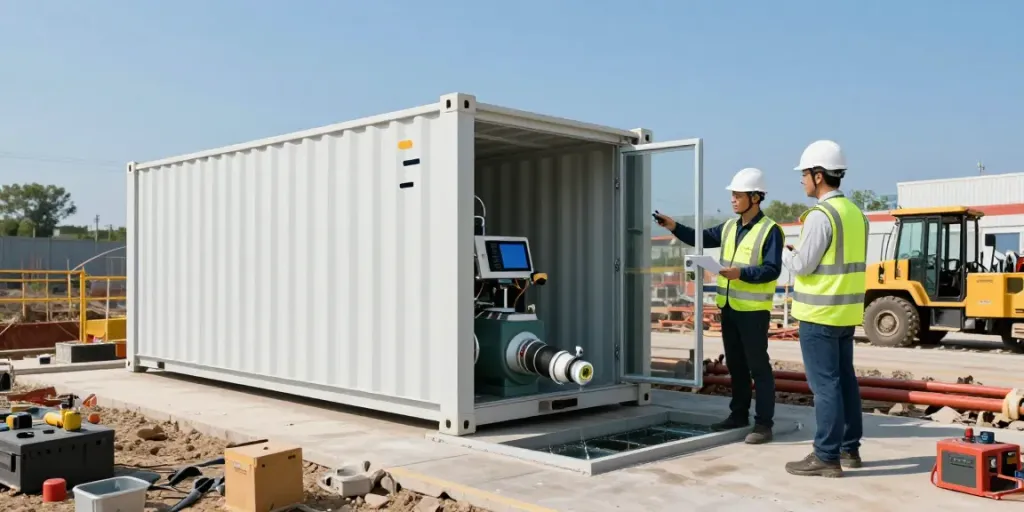
In today's rapidly evolving industrial landscape, the demand for effective wastewater management solutions is paramount. Containerized wastewater treatment systems stand out as versatile, pre-engineered solutions designed to tackle a myriad of water treatment challenges, ranging from domestic sewage processing to the treatment of complex industrial effluents. These systems not only facilitate rapid deployment but ensure alignment with strict environmental regulations, making them an indispensable asset for businesses focused on sustainability and compliance. When exploring options, Wastewater Treatment System Manufacturers offer comprehensive insights into these effective solutions.
Understanding Wastewater Treatment Needs
Understanding the specific needs of wastewater treatment is crucial for any organization. Various industries generate different types of wastewater, each requiring tailored treatment approaches. Municipalities, for instance, need systems that handle domestic sewage effectively, while industries such as textiles or pharmaceuticals need advanced solutions to treat complex effluents laden with hazardous materials. Recognizing the nature of the wastewater stream is the first step toward selecting the right treatment solution.
Benefits of Containerized Solutions
Containerized wastewater treatment systems offer several benefits, including:
- Mobility: These systems are built within standard shipping containers, making them easy to transport and install.
- Rapid Deployment: Due to their pre-engineered nature, containerized systems can be operational within days of arrival on site.
- Cost Efficiency: They reduce the costs associated with traditional wastewater treatment infrastructure.
- Scalability: As demand increases, additional containers can be added to expand treatment capacity.
Advantages of Modular Design
Rapid Deployment and Flexibility
The modular design of containerized wastewater treatment systems allows for rapid deployment in various environments, from remote construction sites to urban settings. This flexibility is crucial for industries facing sudden increases in water treatment needs due to changing regulations or operational demands. The ability to install and relocate these systems with minimal infrastructural investment makes them a practical choice for many organizations.
Compliance with Environmental Standards
In an age where regulatory compliance is more critical than ever, containerized systems are engineered to meet stringent environmental regulations. They are designed to treat wastewater effectively, minimizing discharge and ensuring that effluents meet local and international standards. This compliance not only protects the environment but also safeguards businesses from potential legal and financial repercussions associated with non-compliance.
Cost-Effectiveness of Containerized Systems
Containerized wastewater treatment systems often present a more economical solution compared to fixed installations. They reduce upfront infrastructure costs and can be deployed faster than traditional systems. Additionally, lower maintenance requirements and reduced operational costs contribute to long-term savings. For many businesses, the initial investment in a containerized system pays off significantly over time through increased efficiency and compliance.
Operational Efficiency in Wastewater Treatment
Best Practices for Installation
Proper installation is critical for the operational efficiency of wastewater treatment systems. Key best practices include:
- Site Assessment: Conduct a thorough site review to understand the geographical and regulatory landscape.
- Professional Assistance: Engage experienced professionals for installation to ensure compliance with all local regulations.
- Integration with Existing Systems: Plan for seamless integration with existing infrastructure to optimize flow and treatment capacity.
Maintenance and Monitoring Techniques
Maintaining operational efficiency involves regular monitoring and upkeep. Best practices include:
- Routine Inspections: Schedule regular checks to ensure all components are functioning optimally.
- Automated Monitoring Systems: Implement technology to continuously monitor operational parameters and alert operators to any anomalies.
- Training Staff: Ensure that personnel are adequately trained to manage the systems effectively and respond to potential issues.
Performance Metrics to Measure Success
Measuring the success of a wastewater treatment system involves several key performance indicators:
- Effluent Quality: Regular testing of discharge quality to ensure compliance.
- Operational Costs: Monitoring energy and maintenance costs to identify potential savings.
- Compliance Rates: Tracking adherence to regulatory requirements over time.
Innovations in Wastewater Treatment Technology
Emerging Trends for 2026 and Beyond
The wastewater treatment industry is continuously evolving, with innovations shaping the future. Key trends include:
- Smart Technology: Automation and IoT devices are increasingly being used for real-time monitoring and management.
- Sustainable Practices: Emphasis on energy-efficient systems and treatment processes that promote water reuse and resource recovery.
- Advanced Treatment Methods: New technologies such as membrane bioreactors and advanced oxidation processes are gaining traction.
Case Studies of Successful Implementations
Several organizations have successfully implemented containerized wastewater treatment systems, showcasing their effectiveness:
- Construction Industry: A construction site in remote areas installed a containerized system that significantly reduced transport costs and time for wastewater management.
- Food Processing: A food processing plant utilized a modular system to manage waste, enhancing compliance and sustainability.
Future-Proofing Wastewater Solutions
As regulations change and environmental concerns grow, future-proofing wastewater solutions is critical. Organizations must invest in technologies that not only meet current needs but are adaptable for future advancements. This includes selecting systems capable of integrating with new technologies and processes to ensure continued compliance and efficiency.
Choosing the Right Manufacturer
Evaluating Wastewater Treatment System Manufacturers
When selecting a wastewater treatment system manufacturer, consider the following criteria:
- Experience and Expertise: Look for manufacturers with a proven track record in the industry.
- Customization Capabilities: Evaluate whether the manufacturer can tailor solutions to your specific needs.
- Support and Maintenance: Opt for manufacturers that offer comprehensive support services post-installation.
Questions to Ask Before Purchase
Before making a purchase, ensure to ask potential manufacturers the following questions:
- What is the expected lead time for delivery and installation?
- Can you provide references from previous clients?
- What warranties and support services do you offer?
Building Long-Term Partnerships
Establishing a long-term relationship with a wastewater treatment system manufacturer can provide considerable advantages. Continuous collaboration ensures that your systems are updated and maintained effectively, contributing to overall operational success.
What are the main benefits of containerized wastewater treatment systems?
The primary benefits include rapid deployment, mobility, compliance with environmental standards, and cost-effectiveness.
How do containerized systems ensure compliance with regulations?
These systems are designed to treat wastewater to meet or exceed local and international regulations, reducing environmental impact.
What should I look for in a wastewater treatment system manufacturer?
Evaluate their experience, customization options, and the level of support they offer post-purchase.
What are the cost implications of modular wastewater systems?
Containerized systems are often more affordable due to lower initial setup costs and reduced operational expenses over time.
How can I optimize the installation process for wastewater systems?
Ensure thorough site assessments and engage professionals for a seamless installation experience.