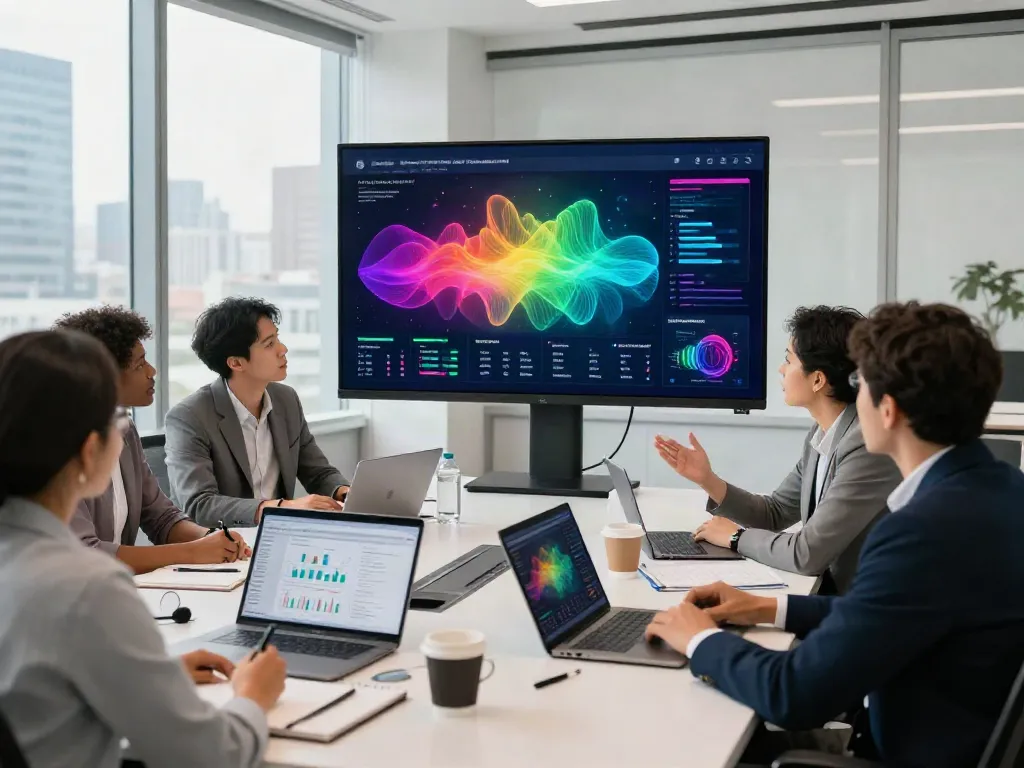
Introduction to Retail Video Analytics
In the rapidly evolving retail landscape, the integration of sophisticated technologies is essential for businesses aiming to enhance customer experience and operational efficiency. One such transformative technology is retail video analytics, which utilizes real-time video data to gain insights into consumer behavior and operational performance. This article delves into the core components of retail video analytics, its significance in modern retail environments, and how it holds the potential to reshape industries.
What is Retail Video Analytics?
Retail video analytics refers to the application of artificial intelligence (AI) and machine learning (ML) algorithms on video data captured through surveillance cameras within retail environments. These tools analyze visual information in real time, enabling retailers to extract valuable insights regarding customer behaviors, store traffic patterns, and even employee performance. The analytics can include measurements such as foot traffic, dwell time, heat mapping of store layouts, and demographic insights, allowing businesses to make data-driven decisions.
The Importance of Retail Video Analytics
The importance of retail video analytics cannot be overstated in today's competitive marketplace. As consumer expectations rise and retail dynamics shift, businesses must leverage advanced technologies to understand customer needs and improve overall experiences. By analyzing visual data, retailers can identify trends, optimize store layouts, enhance security measures, and personalize shopping experiences, thus staying ahead of competition and fostering customer loyalty.
Key Technologies Behind Retail Video Analytics
Several technologies underpin retail video analytics:
- AI and Machine Learning: These technologies analyze vast amounts of data to identify patterns and trends that might not be observable by humans.
- Video Processing Algorithms: Specialized algorithms help classify and interpret visual data, detecting specific behaviors, objects, or movements.
- Cloud Computing: The storage and processing of video data in the cloud enables scalability and efficiency, allowing retailers to access insights remotely.
- IoT Integration: The Internet of Things facilitates the connection of cameras and other devices, enabling coordinated analytics across multiple platforms.
Benefits of Retail Video Analytics
Enhancing Customer Experience
One of the most significant advantages of retail video analytics is its ability to enhance the customer experience. By analyzing customer interactions, retailers can develop a better understanding of shoppers' preferences. For instance, insights gained from video analytics can help optimize store layouts to ensure that popular products are easily accessible, thereby reducing customer frustration. Additionally, retailers can use heat maps generated from foot traffic data to identify peak shopping times, allowing them to allocate resources effectively.
Improving Operational Efficiency
Operational efficiency can be improved significantly through the application of retail video analytics. By monitoring processes and workflows in real time, businesses can identify bottlenecks and inefficiencies in operations. For example, camera feeds can show where customers linger longer or where checkout lines surge. This information empowers store managers to make instant adjustments to staffing levels or reroute customer flows, which can lead to a smoother shopping experience and lower operational costs.
Boosting Sales Through Data Insights
Retail video analytics offers detailed insights that can directly lead to increased sales. By understanding customer behavior through in-store video analysis, retailers can create targeted marketing strategies that resonate with their audience. Analyzing peak shopping times and customer demographics helps businesses tailor promotions accordingly, increasing engagement and driving higher conversion rates. Furthermore, identifying which areas of a store attract or disengage customers can inform merchandising strategies to enhance product visibility.
Implementing Retail Video Analytics
Steps to Start with Retail Video Analytics
Implementing retail video analytics involves several key steps:
- Define Objectives: Setting clear goals for what the retailer aims to accomplish with video analytics is crucial for successful implementation.
- Choose the Right Hardware: Invest in high-quality cameras that can capture clear images suitable for analysis. Consider factors like resolution, placement, and field of view.
- Software Selection: Select robust software capable of processing data and delivering actionable insights suited to your objectives.
- Data Integration: Ensure that the video analytics software can integrate with existing systems such as POS or CRM software for a comprehensive view of customer interactions.
- Training and Empowerment: Staff should be trained on how to utilize the system effectively to interpret data and use insights to drive decision-making.
Choosing the Right Tools and Technologies
Choosing the right tools for retail video analytics involves evaluating various factors:
- Scalability: The tools should be scalable to accommodate future growth and changes in operational needs.
- Ease of Use: Opt for solutions that are user-friendly and require minimal training for staff to use effectively.
- Real-Time Capabilities: Ensure that the technology can deliver real-time analysis to allow for timely decision-making.
- Support and Maintenance: Look for vendors that offer excellent support and regular maintenance to minimize downtime.
Best Practices for Effective Implementation
To ensure a successful rollout of retail video analytics, consider implementing these best practices:
- Start with a pilot project to assess effectiveness and make necessary adjustments before a full-scale launch.
- Frequently revisit and update analytic goals based on evolving retail strategies and consumer behavior.
- Engage teams across departments, including marketing and operations, to create a holistic approach to data utilization.
- Continuously refine processes based on data insights and feedback from both employees and customers.
Challenges in Retail Video Analytics
Data Privacy and Security Concerns
With the collection of video data comes the critical issue of data privacy and security. Retailers must comply with regulations, such as GDPR, and ensure that data is adequately protected against breaches. Implementing strict policies on data retention and using encryption for stored data can mitigate risks associated with unauthorized access.
Integration with Existing Systems
Integrating retail video analytics with existing systems (like inventory management and customer relationship management) can be challenging due to compatibility issues. This requires careful planning and possibly third-party support to ensure a seamless integration that enhances rather than hinders existing workflows.
Common Misconceptions About Retail Video Analytics
Many retailers might believe that retail video analytics is solely for loss prevention or security applications. However, the real power lies in its capability to drive customer insights and operational efficiency, offering retailers opportunities for growth and improvement that extend beyond mere security concerns.
Future Trends in Retail Video Analytics
AI and Machine Learning Advances
AI and machine learning continue to advance at a rapid pace, enabling more complex analytics and predictive capabilities within retail environments. Future developments may enhance the granularity of customer behavior analysis, allowing for hyper-personalization in marketing strategies and customer engagement initiatives.
Integration with IoT Devices
The integration of retail video analytics with IoT devices will provide retailers with an unprecedented level of operational insight. This connectivity can help synchronize activities across different systems, allowing for more efficient inventory management, enhanced customer interactions, and improved service delivery through real-time data flow.
The Evolving Role of Retail Video Analytics in Brick-and-Mortar Stores
As brick-and-mortar stores continue to navigate a changing retail landscape, retail video analytics will play an increasingly critical role. By leveraging video insights, retailers can innovate their operations, develop enriching customer experiences, and adapt to trends in consumer behavior, ultimately ensuring their place in the future of retail.
FAQs About Retail Video Analytics
What is retail video analytics?
Retail video analytics utilizes AI and machine learning to analyze video data from retail environments, providing insights into customer behaviors and operational performance.
How does retail video analytics enhance customer experience?
By analyzing customer interactions, retailers can optimize store layouts, allocate resources better, and tailor marketing strategies based on customer preferences.
What are the key technologies behind retail video analytics?
The key technologies include AI, machine learning, video processing algorithms, cloud computing, and IoT integration, enabling real-time data analysis and insights.
What challenges exist in implementing retail video analytics?
Challenges include data privacy concerns, integration with existing systems, and misconceptions about the scope and capabilities of retail video analytics.
What does the future hold for retail video analytics?
The future includes advances in AI and machine learning, greater integration with IoT devices, and an evolving role in enhancing customer experiences in retail settings.