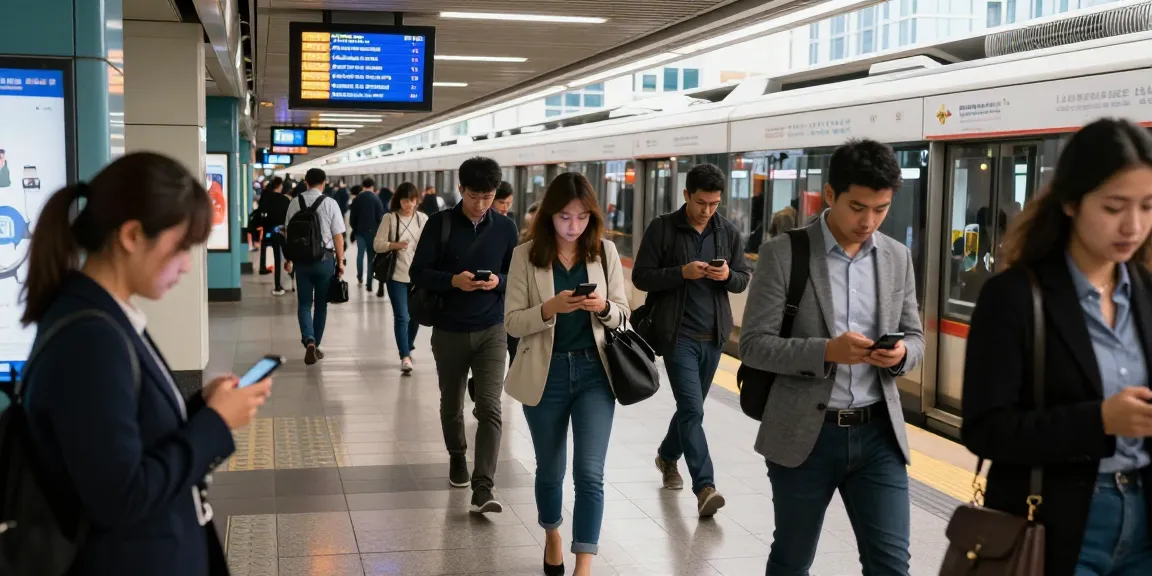
Introduction to Train Tracker Technology
As urban populations continue to swell, the demand for efficient public transportation systems has never been greater. One of the critical advancements in this domain is the evolution of train tracker technology, which leverages real-time data to enhance the commuter experience. Train trackers provide users with invaluable information regarding train schedules, delays, and service alerts, all of which are pivotal for effective urban transit systems. With the ability to access live updates, commuters can make informed decisions about their travel plans, ultimately minimizing wait times and increasing overall satisfaction with public transit services.
What is a Train Tracker?
A train tracker is a digital tool that provides real-time information about train services, including arrival and departure times, service disruptions, and more. Utilizing data sourced directly from transit agencies through standards like GTFS-Realtime (General Transit Feed Specification), train trackers deliver precise updates that are integral for commuters navigating busy urban environments. These systems are designed to process live data feeds every few seconds, ensuring that users have the latest information at their fingertips.
Importance of Real-Time Data in Urban Transit
The significance of real-time data in urban transit cannot be overstated. As cities grow and evolve, the complexities of managing public transportation systems also increase. Real-time data enables transit agencies to respond rapidly to unforeseen issues, such as accidents or inclement weather, thereby enhancing service reliability. Commuters benefit from this information as it allows for better planning and reduced uncertainty in their travel schedules.
How Train Trackers Enhance Commuter Experience
Train trackers play a vital role in transforming the commuter experience. By providing pertinent information directly to users, these tools minimize frustration often associated with delays and cancellations. Commuters can access live arrival boards for their specific station, which help them better manage their time and routes. Enabling features such as push notifications for service alerts further enhances this experience, keeping users informed and prepared.
Key Features of Modern Train Trackers
Real-Time Arrivals and Departures
One of the defining features of modern train trackers is the capability to present real-time arrivals and departures. This functionality is crucial for commuters who rely on punctuality. Train trackers offer features such as countdown timers for train arrivals, which are particularly useful in urban areas where multiple lines intersect. The integration of GTFS-Realtime data ensures that these updates are accurate and timely.
Integration with Mobile Applications
In an increasingly mobile world, the integration of train trackers with mobile applications has greatly enhanced their usability. Commuters can receive updates on-the-go, allowing for greater flexibility in their travel plans. Many train tracker apps provide features such as route planning, which helps users select the most efficient routes based on real-time data and personal preferences.
User-Friendly Interfaces and Accessibility
Modern train trackers prioritize user experience, implementing intuitive interfaces that make navigation simple for users of all ages. Accessibility features, including voice commands and options for visually impaired users, are increasingly standard. This commitment to user-centered design ensures that valuable transit information is available to everyone, fostering inclusivity in urban transit systems.
Challenges Faced by Train Tracker Systems
Data Reliability and Accuracy Issues
Despite the benefits of real-time data, challenges remain regarding the reliability and accuracy of information provided by train trackers. In instances where transit agencies face technical difficulties or communication failures, the data may not reflect actual conditions. This can lead to confusion among commuters, highlighting the need for robust mechanisms to ensure consistency in data reporting.
Connectivity and Technology Barriers
Connectivity issues pose another significant challenge for train tracker systems. In areas with poor network coverage or outdated infrastructure, the seamless transmission of data becomes impossible. Commuters in these regions may experience delays in accessing updates, which undermines the primary purpose of these systems. Addressing these technological barriers is crucial for widespread adoption and effectiveness.
Public Perception and Trust in Technology
Public perception plays a critical role in the acceptance of train tracker technologies. Many commuters may be skeptical of the accuracy of real-time data, preferring traditional timetables and fixed schedules. Building trust through consistent performance and clear communication about how these systems operate will be essential for improving adoption rates among transit users.
The Future of Train Trackers in 2026
Innovative Features on the Horizon
As we look towards 2026, the future of train trackers promises exciting innovations. Developments in app technology, such as personalized travel alerts tailored to individual commuting patterns and preferences, will further enhance user experience. Moreover, advanced integration with other modes of transportation, like ride-sharing services and bicycles, will offer a truly seamless travel experience for users.
Impact of AI and Machine Learning
The incorporation of artificial intelligence (AI) and machine learning into train tracker systems will revolutionize the way data is processed and utilized. These technologies can help train trackers learn from user behavior and operational data, leading to predictive analytics that can forewarn of potential delays or disruptions. Such advancements will empower commuters to make informed decisions long before their journey begins.
Trends in Urban Mobility and Transit Solutions
The landscape of urban mobility is evolving rapidly, with a shift towards more sustainable and integrated transit solutions. Train trackers will be at the forefront of this transformation, adapting to new modes of transport such as electric scooters and autonomous vehicles. By providing real-time data across these various modalities, train trackers can become essential tools in the quest for efficient urban transit systems.
Conclusion: Embracing Real-Time Solutions
Benefits of Adopting Train Tracker Systems
Adopting train tracker systems offers numerous benefits for urban commuters. From improving daily planning and reducing uncertainty to facilitating better connectivity with other transportation modes, the advantages are clear. Cities that invest in these technologies can expect not only better commuter satisfaction but also increased overall usage of public transport systems.
Encouragement for Commuters to Utilize Technology
As technology continues to advance, commuters are encouraged to embrace these innovations. Utilizing train tracker apps can significantly enhance daily commuting experiences, making travel more manageable and efficient. By taking advantage of real-time data, users can minimize their travel time and adapt quickly to changing conditions.
Final Thoughts on Urban Transit Evolution
The evolution of urban transit is intrinsically tied to the adoption of real-time solutions like train trackers. As cities worldwide grapple with growing populations and increasing transportation demands, implementing effective tracking technology will be essential. With systems like train tracker becoming more sophisticated, the future of commuting looks promising, paving the way for a more connected and efficient urban landscape.
What is the role of real-time tracking in modern transit?
Real-time tracking plays a pivotal role in modern transit by providing commuters with immediate information about train arrivals, departures, and delays. This capability enables better travel planning and reduces the anxiety associated with waiting for public transport.
How can train tracker apps improve daily commuting?
Train tracker apps can significantly improve daily commuting by offering features like live updates, route planning, and notifications for service changes, all of which help commuters make informed choices about their journeys.
What challenges do train trackers face in urban areas?
Challenges faced by train trackers in urban areas include data reliability issues, connectivity barriers, and public skepticism regarding technology. Addressing these challenges is crucial for maximizing the benefits of real-time tracking solutions.
What future trends can we expect in train tracking technology?
Future trends in train tracking technology include the integration of AI and machine learning for predictive analytics, enhanced user interfaces, and broader integration with various transportation modes, making urban mobility more seamless.
How do train trackers integrate with other transit systems?
Train trackers integrate with other transit systems through standardized data formats, allowing them to provide real-time updates across multiple modes of transportation, creating a unified travel experience for users.