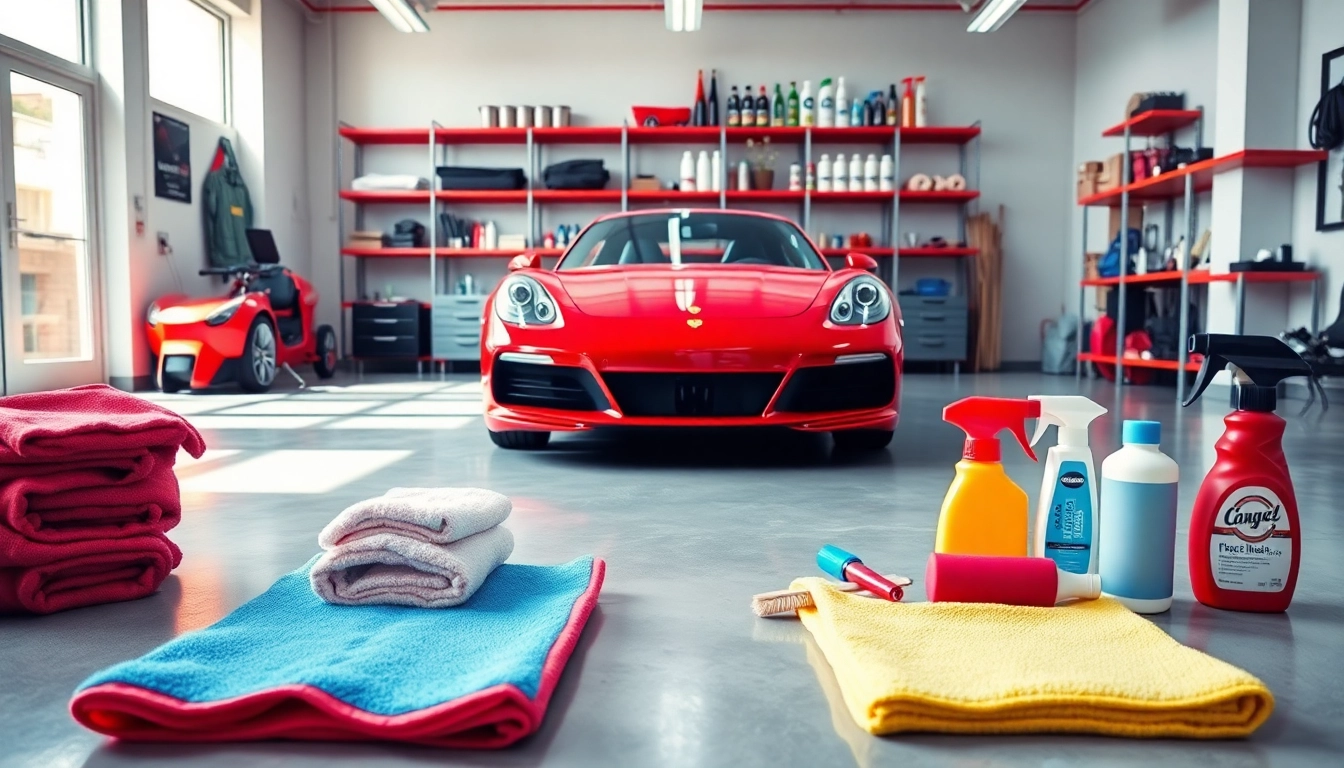
Introduction to Car Detailing at Home
Car detailing is more than just a wash; it's an in-depth process aimed at keeping a vehicle looking and feeling like new. For car enthusiasts and everyday drivers alike, knowing how to detail a car at home can save money and allow for a personalized touch that commercial services can't always offer.
What is Car Detailing?
Car detailing is a meticulous cleaning and restoration of a vehicle, which includes both the exterior and interior. While washing removes dirt and grime, detailing goes further by addressing imperfections, polishing, and applying protective treatments. Exterior detailing includes washing, polishing, waxing, and applying sealants. Interior detailing focuses on vacuuming, steam cleaning, conditioning, and deodorizing. This multi-step process ensures that your vehicle not only looks stunning but also remains in excellent condition for years.
Benefits of Detailing Your Car at Home
Detailing your vehicle at home provides numerous advantages. Firstly, it saves money compared to professional services. Additionally, it gives you control over the products used, allowing for eco-friendly choices. You'll also gain valuable skills and knowledge about your vehicle's maintenance, contributing to a sense of pride and accomplishment. Finally, detailing at home allows for a flexible schedule, enabling you to work on your car whenever it's convenient for you.
Essential Tools and Supplies Needed
Preparing for a detailing session requires some basic equipment and supplies. Here’s a comprehensive list to get you started:
- Washing Supplies: Car wash soap, buckets, hose, and wash mitts.
- Drying Tools: Microfiber towels and a drying towel.
- Claying Tools: Clay bar and lubricant.
- Polishing Supplies: Dual-action polisher, polishing pads, and polish compound.
- Waxing and Sealing: Car wax and sealant.
- Interior Supplies: Vacuum, upholstery cleaner, microfiber cloths, and an interior protectant.
With these tools, you will be well-equipped to embark on your car detailing journey.
Exterior Detailing Techniques
The exterior of a vehicle not only affects its aesthetic appeal but also its longevity. Proper care prevents contaminants from damaging the paint and finishes. Here’s how to enhance your car’s exterior through effective detailing.
Proper Washing Methods
A clean vehicle requires an appropriate washing technique. Use the two-bucket method:
- Fill one bucket with soapy water and the other with clean rinse water.
- Start washing from the top down, using a special mitt or sponge.
- Rinse the mitt in the clean water before dipping it back into the soapy bucket.
- Use a soft brush for wheels and tires to remove brake dust and road grime.
Avoid washing in direct sunlight to prevent water spots and ensure that soap doesn’t dry on the surface. Always dry the vehicle thoroughly with a microfiber towel to prevent water spots.
Clay Bar Treatment for Smooth Finish
After washing, a clay bar treatment is essential for removing embedded contaminants that washing alone cannot eliminate. Here’s how to use a clay bar:
- Spray a clay lubricant on a small section of the vehicle.
- Gently rub the clay bar in a back-and-forth motion.
- Wipe the area clean with a microfiber towel.
- Repeat until the entire exterior is smooth to the touch.
This process not only enhances the surface feel but also prepares the paint for polishing and waxing.
Waxing and Sealing Your Car
Waxing is a critical step in protecting the car’s exterior and enhancing shine. It creates a protective barrier against the elements:
- Ensure the car is clean and dry before applying wax.
- Use an applicator pad to spread a thin layer of wax in circular motions.
- Allow the wax to dry according to product instructions.
- Buff off with a clean microfiber towel until a shine appears.
For added protection, consider a sealant, which can provide longer-lasting effects compared to traditional wax.
Interior Car Detailing Steps
A well-maintained interior not only promotes a pleasant driving experience but also preserves the value of your vehicle. Let’s dive into effective interior detailing techniques.
Decluttering and Vacuuming
Start with a thorough decluttering of all personal items. Once the area is clear, vacuum the entire interior, including under seats and in tight spaces. Pay special attention to:
- Floor mats
- Under the seats
- In cup holders and storage compartments
Use the appropriate attachments to reach tight areas, ensuring all dirt and debris are collected.
Cleaning Surfaces and Upholstery
Once vacuuming is complete, cleaning the surfaces comes next. For hard surfaces:
- Use a microfiber cloth and an appropriate cleaner to wipe down the dashboard, console, and door panels.
- For glass surfaces, use a specialized glass cleaner to avoid streaks.
- Use a conditioner for any leather surfaces to maintain flexibility and avoid cracks.
Upholstery may require a carpet and upholstery cleaner. For stubborn stains, utilize a steam cleaner to lift dirt without harming the fabric.
Finishing Touches: Deodorizing and Protecting
Complete your interior detailing by deodorizing. Use a fabric refresher spray to eliminate odors, especially if you have pets or frequently consume food in your vehicle. Additionally, apply a protectant to vinyl and plastic surfaces to ensure they remain supple and avoid fading. Regular maintenance will keep your interior looking sharp and smelling fresh.
Advanced Detailing Tips
For those looking to elevate their car detailing skills, consider these advanced techniques that can yield professional results.
Use of Specialty Products
Specialty detailing products can significantly improve effectiveness when cleaning and protecting your vehicle. Here are a few worth considering:
- Foam cannon for washing that provides even soap coverage.
- Waterless wash solutions for times when you can't wash the car.
- Detailing clay alternatives for faster surface preparation.
These products can help you achieve results that rival professional detailing services.
Protective Coatings and Treatments
In addition to waxes and sealants, consider ceramic coatings that offer extended protection and durability. While the application can be more involved than waxing, ceramic coatings can last for years and shield against environmental contaminants, UV rays, and scratches.
Maintaining Your Car's Interior and Exterior
Regular maintenance is key to prolonging the life of your vehicle's appearance. Schedule detailing sessions every 3 to 6 months for optimal results. In between, practice simple habits like regular vacuuming and using protective products as needed. Keep an eye on your car’s surface condition and address small imperfections before they escalate.
FAQs About How to Detail a Car at Home
How often should I detail my car?
Car detailing is typically recommended every 3 to 6 months to maintain a fresh appearance.
What supplies are essential for beginners?
Essentials include a wash mitt, microfiber towels, car shampoo, wax, and a vacuum.
Can I use household products for detailing?
Yes, vinegar and baking soda can effectively clean surfaces, but confirm they are safe for the specific materials used in your car.
Is car detailing expensive?
DIY detailing saves money and can be tailored to your budget by using budget-friendly products.
What’s the best way to avoid scratches while washing?
Employ the two-bucket method and always wash in straight lines to minimize swirl marks and scratches.