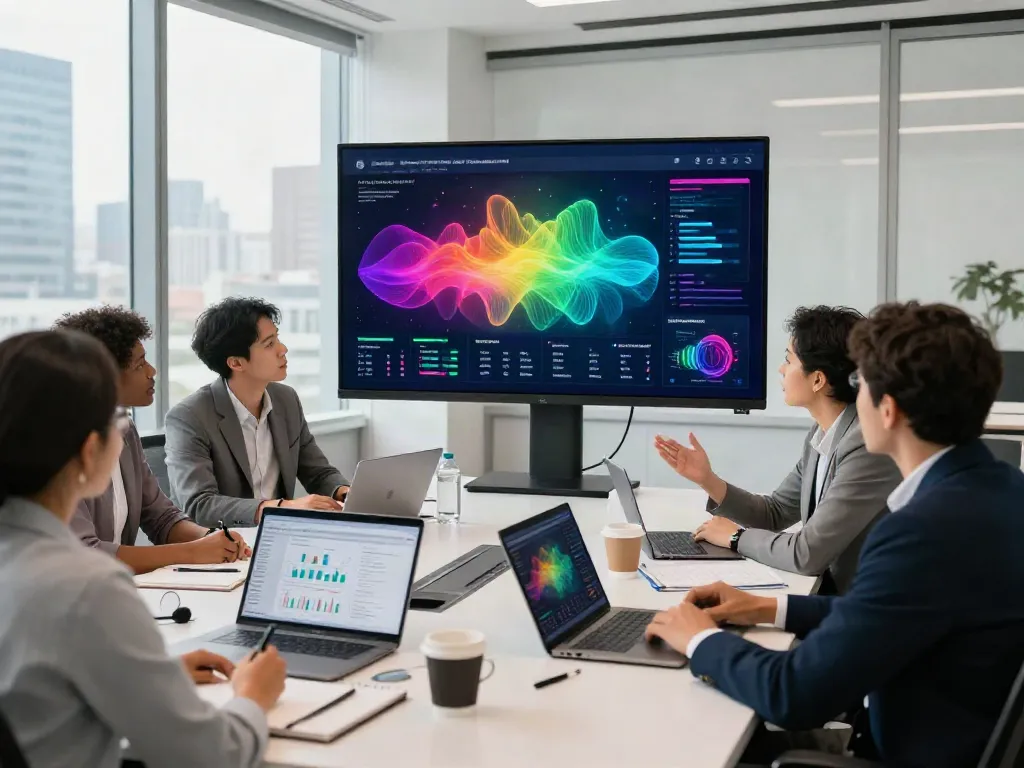
The Importance of Follow Ups in Meetings
In today's fast-paced business environment, meetings serve as the backbone of organizational communications. However, one critical element that often slips through the cracks is the follow-up process. Effective follow-ups can significantly enhance outcomes by ensuring all attendees are aligned on the discussed points and action items. Utilizing AI that handles meeting follow ups can streamline this task, leading to better productivity and engagement.
Understanding Follow Up Necessity
Follow-ups are essential for translating discussions into actionable results. They ensure that everyone involved is on the same page regarding outcomes and responsibilities. Without proper follow-ups, vital action items can fall through the cracks, leading to misunderstandings and stalled projects. The necessity of a structured approach to follow-ups cannot be overstated; it’s about turning intentions into results.
Impacts of Inadequate Follow Ups
Failing to follow up adequately after meetings can have several adverse effects. It can lead to unfulfilled responsibilities, wasted time, and decreased morale among team members who may feel their contributions are overlooked. The consequences extend beyond immediate tasks, affecting long-term goals and project timelines. A lack of follow-ups can result in missed opportunities for collaboration and innovation within teams.
How AI Can Enhance Follow Up Processes
Artificial Intelligence (AI) offers transformative solutions to meet the challenges faced by organizations when it comes to follow-ups. AI tools can automate the entire follow-up process, from sending timely reminders to tracking progress on action items. By using AI, organizations can not only save time but also improve accountability among team members. Tools integrated with AI capabilities can analyze discussions during meetings and extract key information, ensuring that follow-ups are relevant and comprehensive.
Exploring AI Solutions for Meeting Follow Ups
Types of AI Tools Available
There are several types of AI tools designed for handling meeting follow-ups. From dedicated meeting assistants to comprehensive project management platforms, AI technologies are evolving to cater to various organizational needs. Some common types include:
- AI Meeting Assistants: These tools are designed to provide support during meetings by taking notes, setting reminders, and summarizing discussions.
- Task Management AI: Integrated into project management systems, these AI tools help track action items and ensure completion.
- Email Automation Tools: These tools automate the follow-up email process by drafting messages based on meeting discussions.
Key Features of Effective AI Assistants
When selecting an AI solution for meeting follow-ups, it's essential to consider specific features that enhance its effectiveness. Key features include:
- Natural Language Processing (NLP): Enables the AI to understand and extract key points from conversations.
- Task Allocation: Ability to assign action items to individuals based on discussions.
- Automated Reminders: Sends notifications to team members about their assigned tasks.
- Integration Capabilities: Works with other tools like calendars, email systems, and project management platforms.
Comparison of Leading AI Meeting Tools
While each AI meeting tool has unique strengths, comparing them based on functionality, user experience, and integration capabilities is vital. A robust tool should not only facilitate easy note-taking and follow-ups but also offer seamless integration with existing systems. Furthermore, user reviews and feedback can provide insight into the practical utility of these tools.
Implementing AI that Handles Meeting Follow Ups
Steps to Integrate AI into Your Workflow
Integrating an AI system into your workflow requires thoughtful planning and execution. Steps to follow include:
- Needs Assessment: Identify specific needs regarding meeting follow-ups within your organization.
- Tool Selection: Choose an AI tool that aligns with those needs, considering features and scalability.
- Integration: Work with your IT team to integrate the tool with existing software systems.
- Training: Provide training for staff to ensure they understand how to use the tool effectively.
- Feedback Loop: Establish a mechanism to gather feedback and adjust configurations as needed.
Best Practices for Using AI Assistants
To maximize the benefits of AI tools for meeting follow-ups, following best practices is crucial:
- Consistent Usage: Encourage team members to consistently use the AI tool for all meetings.
- Clear Documentation: Maintain clear and organized documentation of meeting notes and follow-up tasks.
- Regular Review: Conduct regular reviews of follow-up actions to ensure accountability.
- Adapt to Changes: Remain flexible in adapting the AI tool to accommodate changes in team needs.
Common Challenges in AI Implementation
While AI tools provide numerous benefits, challenges may arise during implementation:
- Resistance to Change: Employees may resist adopting new technologies. Strong leadership and training are essential.
- Data Security: Ensure that the AI tool complies with data protection regulations, safeguarding employee and organizational data.
- Integration Hurdles: Technical challenges in integrating AI tools with existing systems may arise. Collaborating with IT can mitigate these issues.
Measuring the Effectiveness of AI Tools
Key Performance Indicators (KPIs) to Track
Once an AI tool is implemented, measuring its effectiveness through specific KPIs is necessary for ongoing improvement. Key metrics to gauge effectiveness include:
- Task Completion Rate: The percentage of assigned tasks that were completed within deadlines.
- Time Saved in Follow-Up Tasks: The reduction in time spent on manual follow-ups compared to pre-AI usage.
- Employee Satisfaction: Surveys that gauge employee satisfaction with the follow-up process can provide insight into tool effectiveness.
Analyzing User Feedback
Gathering and analyzing user feedback on the AI tool is essential for continuous improvement. Regular feedback sessions can help identify areas of strength and weaknesses, enabling adjustments that enhance usability and efficiency.
Continuous Improvement with AI Technology
The evolution of AI presents organizations with the opportunity for ongoing improvement. By staying informed about new features and updates in AI tools, businesses can leverage enhanced functionalities and maintain a competitive edge in productivity.
Future Trends in AI Meeting Follow Up Solutions
Emerging Technologies in AI Meeting Assistance
The future of AI in meeting follow-ups holds significant promise. Emerging technologies such as advanced natural language processing and machine learning can enable AI tools to become even more intuitive, anticipating user needs before they arise. This may include proactive follow-ups, enhanced data analysis, and improved user interfaces that simplify task management.
Potential Innovations on the Horizon
As technology evolves, potential innovations may include voice-activated AI systems that can capture meeting content in real-time, automating follow-ups based on spoken commitments made during discussions. Additionally, AI tools may begin to integrate virtual reality environments for enhanced team collaborations.
Preparing for Advanced AI Integration
Successfully preparing for advanced AI technologies requires a strategic approach. This includes investing in training and professional development for employees and ensuring that organizational policies are updated to accommodate new technologies. Agility and openness to change will be necessary for teams to adapt to this evolving landscape.
FAQs
What is an AI meeting assistant?
An AI meeting assistant is a tool that automates various tasks related to meetings, such as note-taking, summarizing discussions, and sending follow-up reminders.
How do AI tools improve follow-ups?
AI tools improve follow-ups by streamlining the process of capturing action items and deadlines, automating reminders, and ensuring accountability.
Are AI meeting tools user-friendly?
Most AI meeting tools are designed with user-friendliness in mind, featuring intuitive interfaces that require minimal training for effective use.
Can AI tools integrate with existing software?
Yes, many AI tools are designed to integrate seamlessly with existing software like email systems, calendar applications, and project management platforms.
Is AI technology suitable for all businesses?
AI technology can benefit businesses of all sizes, but the implementation should align with specific organizational goals and workflows for maximum effectiveness.