Understanding Above-Ground Storage Tank Design
The design of above-ground storage tanks (ASTs) is critical for industries that rely on the safe storage of liquids. From fuel and oil to chemicals and water, these containers play a key role in various sectors including agriculture, construction, and manufacturing. Understanding the principles of AST design can lead to improved safety, efficiency, and compliance with regulations. A well-thought-out Above-Ground Storage Tank Design not only enhances operational capabilities but also mitigates environmental and safety risks.
Key Principles of Above-Ground Storage Tank Design
The design of above-ground storage tanks involves several fundamental principles to ensure functionality and safety. The following are crucial to effective tank design:
- Structural Integrity: The tank must be robust enough to withstand external forces, including wind, seismic activity, and impacts. Materials such as steel or reinforced plastics are commonly used for their durability.
- Corrosion Resistance: Given that many stored substances can cause corrosion, choosing appropriate materials and coatings is essential to prolong tank life.
- Accessibility: Adequate access for maintenance is important. This includes spaces for inspection, cleaning, and repairs without compromising safety.
- Ventilation: Proper venting mechanisms are necessary to prevent pressure buildup and potential explosions within the tank.
- Temperature Control: Tanks may need insulation or heating systems depending on the liquid properties, helping maintain ideal storage conditions.
Types of Above-Ground Storage Tanks
Above-ground storage tanks come in various forms, each designed for specific applications:
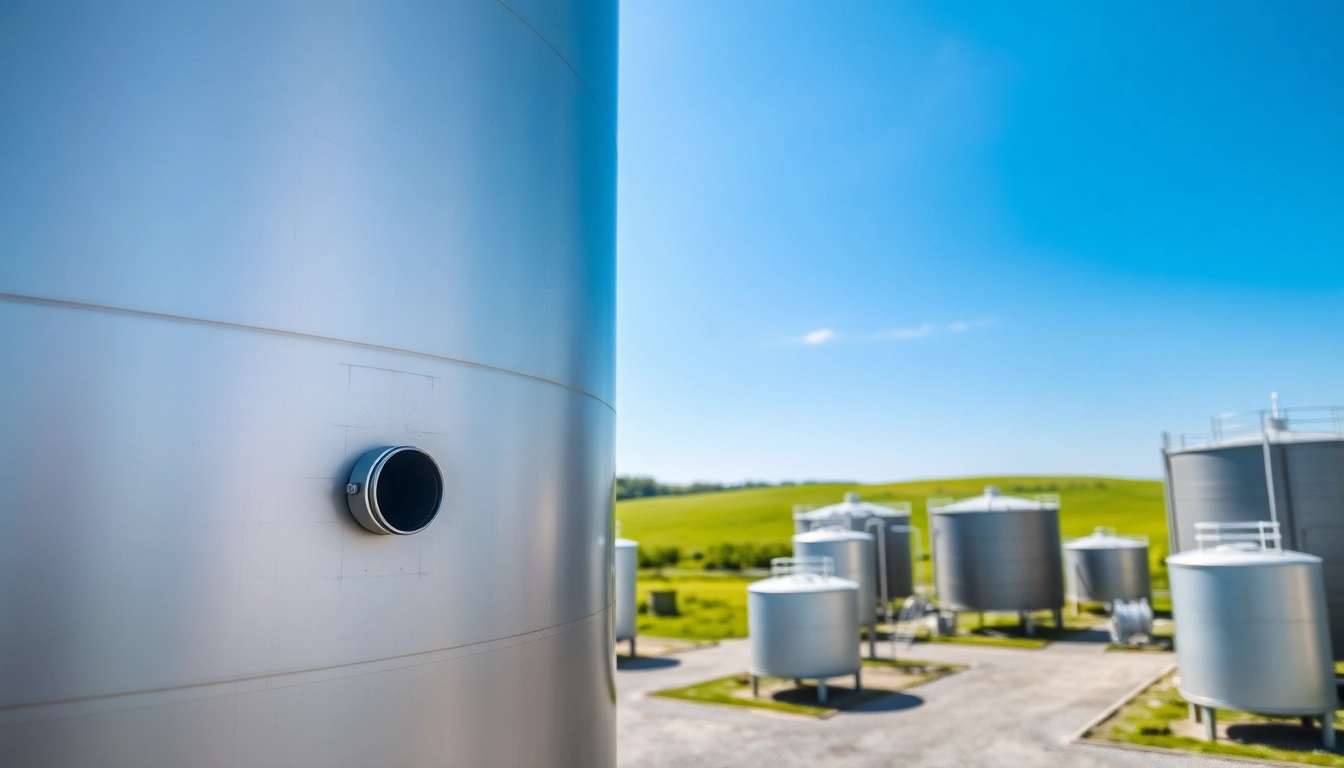
- Vertical Tanks: Typically cylindrical, these tanks are suited for bulk storage of liquids. They occupy less ground space and are favored for their stability.
- Horizontal Tanks: Also cylindrical but lying on their sides, these tanks may provide better access but require more land area.
- Open Top Tanks: Commonly used for temporary storage or materials that need to evaporate. They allow easy access but may represent a greater environmental risk.
- Tank Farms: Groups of tanks located in one area for the bulk storage of various liquids, often seen in oil and gas industries.
Factors Influencing Tank Design
Several factors influence the design of an above-ground storage tank, addressing both operational needs and regulatory requirements:
- Type of Liquid: The chemical and physical properties of the stored liquid dictate materials used and design specifics. Flammable liquids require more stringent thermal and structural considerations.
- Location: Environmental factors such as regional climate, seismic activity, and proximity to populated areas will impact the design, dictating safety features and placement.
- Regulatory Standards: Compliance with local, state, and federal regulations is non-negotiable and profoundly influences tank design and maintenance schedules.
- Operational Environmental Impact: Assessments must consider how tank operations could affect nearby ecosystems and drinking water supplies.
Regulatory Standards for Above-Ground Storage Tank Design
Designers and operators of above-ground storage tanks must navigate a complex regulatory landscape. Understanding these regulations is essential for compliance and operational efficacy.
Federal Regulations Impacting Storage Tanks
In the United States, the Environmental Protection Agency (EPA) sets forth regulations for ASTs under the Clean Water Act. Notably, the Spill Prevention, Control, and Countermeasure (SPCC) rule governs storage practices to prevent oil spills into navigable waters.
State-Specific Compliance Considerations
In addition to federal regulations, state laws can impose stricter compliance standards tailored to local environmental conditions. Each state may have unique requirements regarding tank construction, maintenance, and operation.
Best Practices for Regulatory Compliance
To maintain compliance, operators should regularly monitor tank conditions and document maintenance procedures. Regular audits, employee training, and comprehensive emergency response plans are also advisable to ensure adherence to regulatory standards and reduce liability.
Safety Features in Above-Ground Storage Tank Design
The safety of storage tank operations cannot be emphasized enough. In designing an AST, several features are vital for enhancing operational safety.
Essential Safety Mechanisms
Tank design should prioritize safety with the implementation of various mechanisms, including:
- Overfill Prevention: Systems like alarms and automatic shut-off valves help prevent tank overfilling, a significant safety hazard.
- Secondary Containment: In the event of a leak, secondary containment systems can mitigate environmental damage. This could include dikes, retainers, or double-walled tanks.
- Fire Suppression Systems: Tanks housing flammable liquids should incorporate specialized fire suppression systems to immediately address potential fires.
Emergency Response Planning
Effective emergency response planning is a vital component of safety management. This includes creating an evacuation plan, performing regular drills, and coordinating with local emergency services.
Maintaining Safety Standards
Regular inspections and maintenance are integral to ensuring all safety features are functional. Keeping detailed logs of inspections and maintenance enhances accountability and can aid in risk assessments.
Design Considerations for Specific Liquids
Not all liquids behave the same way in storage; hence, AST designs must account for the specific properties of each liquid type.
Design for Flammable Liquids
For flammable liquids, the design process demands the highest level of safety rigor. Key considerations include:
- Vapor Control: Implementing vapor recovery systems to capture vapors and minimize atmospheric contamination.
- Explosive Atmosphere Measures: Incorporating explosion-proof fittings and grounding systems to reduce ignition risks.
Design for Non-Flammable Liquids
While less risk is involved with non-flammable liquids, proper design still considers:
- Corrosion Resistance: Materials that can withstand chemical interactions without deteriorating.
- Thermal Insulation: If applicable, insulation against extremes in temperature to maintain liquid integrity.
Impact of Liquid Properties on Tank Design
Tank design must consider not just fire safety but also chemical properties. Density, viscosity, and reactivity can dictate tank material and design configurations.
Future Trends in Above-Ground Storage Tank Design
As storage technology continues to evolve, several trends are emerging:
Technological Advancements in Design
Innovations such as automated monitoring systems and smart tanks equipped with IoT devices have introduced enhanced capabilities for leak detection and inventory management.
Sustainability Considerations
There is a growing trend towards designing tanks with sustainability in mind. This includes using environmentally friendly materials and practices that reduce carbon footprints.
The Role of Industry Innovation
Industry collaboration and research are defining the future of tank design, leading to safer, smarter, and more efficient systems while addressing environmental challenges.
Frequently Asked Questions
1. What materials are used for above-ground storage tanks?
Commonly, tanks are made from steel or reinforced plastics, which provide durability and corrosion resistance necessary for safe storage.
2. How can I ensure compliance with EPA regulations?
Regular audits, trained staff, and meticulous record-keeping of maintenance and inspections help ensure compliance with EPA regulations.
3. What is secondary containment?
Secondary containment refers to a backup system, such as a dike or double-walled construction, that holds leaked fluids and prevents environmental contamination.
4. How often should storage tanks be inspected?
Inspections should occur regularly, typically annually, or after any significant weather events or operational changes to ensure peak safety and performance.
5. What role do emergency response plans play?
Emergency response plans outline protocols for addressing accidents, including evacuation, containment, and coordination with local emergency services to mitigate risks.