Understanding Attractiveness Metrics
Attractiveness is a multifaceted concept that varies widely across cultures and individuals. The test of attractiveness serves as a method to quantify this subjective quality using various scientific and technological approaches. Whether through AI algorithms assessing facial features or human standards shaped by societal norms, understanding what constitutes attractiveness is essential in today’s image-driven world. This article delves into the core components of attractiveness metrics and the influence of advanced technology in shaping our perceptions.
What is a Test of Attractiveness?
A test of attractiveness typically refers to a standardized method of evaluating the aesthetic appeal of an individual, primarily based on facial features. With the rise of technology, these tests have evolved from rudimentary feedback from peers to sophisticated AI algorithms that analyze facial symmetry, proportions, and other aesthetic parameters. Such tests provide not only a score but also feedback that can be used for self-improvement or personal branding.
The Science Behind Facial Attractiveness
Research indicates that certain universal standards define facial attractiveness, including symmetry, clear skin, and harmonious proportions. The golden ratio, an age-old mathematical principle found in nature, is often applied in attractiveness assessments. Studies show that faces that closely align with this ratio tend to be perceived as more attractive, suggesting that biology and mathematics play integral roles in our perceptions of beauty.
Key Factors Influencing Attractiveness Scores
- Symmetry: Faces that are symmetrical are often rated higher on attractiveness scales. This is likely linked to evolutionary biology, where symmetry is a sign of genetic health.
- Facial Proportions: The balance of features relative to one another significantly influences attractiveness. For instance, a proportionate jawline or eye placement can enhance perceived beauty.
- Skin Clarity: Clear skin is frequently associated with youth and health, impacting attractiveness ratings.
- Expression: A welcoming expression can improve attractiveness perceptions, demonstrating the importance of emotional responses in beauty assessments.
How AI Enhances Attractiveness Testing
The integration of artificial intelligence in attractiveness testing has revolutionized how we gauge beauty. By harnessing data from thousands of images, AI can predict attractiveness scores with remarkable accuracy, offering new insights into facial aesthetics.
Introduction to AI in Beauty Analysis
AI technologies utilize machine learning algorithms to analyze facial features and provide a detailed score. These systems have the ability to learn from a large set of data, refining their assessments over time and adapting to various beauty standards across cultures. This adaptability is crucial in ensuring that the technology remains relevant in a diverse world.
Technological Advances in Facial Recognition
Recent advancements in facial recognition technology allow AI systems to assess over 400 facial landmarks, measuring angles and distances with precision. This capability not only enhances accuracy but also paves the way for creating personalized beauty analyses that can cater to individual preferences and cultural norms.
Real-time Feedback and Analysis Comparison
Today's AI attractiveness tests offer real-time feedback, allowing users to understand how their facial features stack up against common beauty standards. This immediate response can help users learn which aspects they might want to enhance, leading to a better understanding of their unique attractiveness.
Practical Applications of Attractiveness Testing
Understanding attractiveness scores has practical implications in various fields, from social media engagement to personal development.
Using Attractiveness Scores in Social Media
In the age of social media, where visual content is key, many users turn to attractiveness tests to optimize their online presence. Higher attractiveness scores can lead to greater engagement and interaction, prompting individuals to refine their aesthetics for platforms like Instagram and TikTok.
How Beauty Professionals Employ These Tests
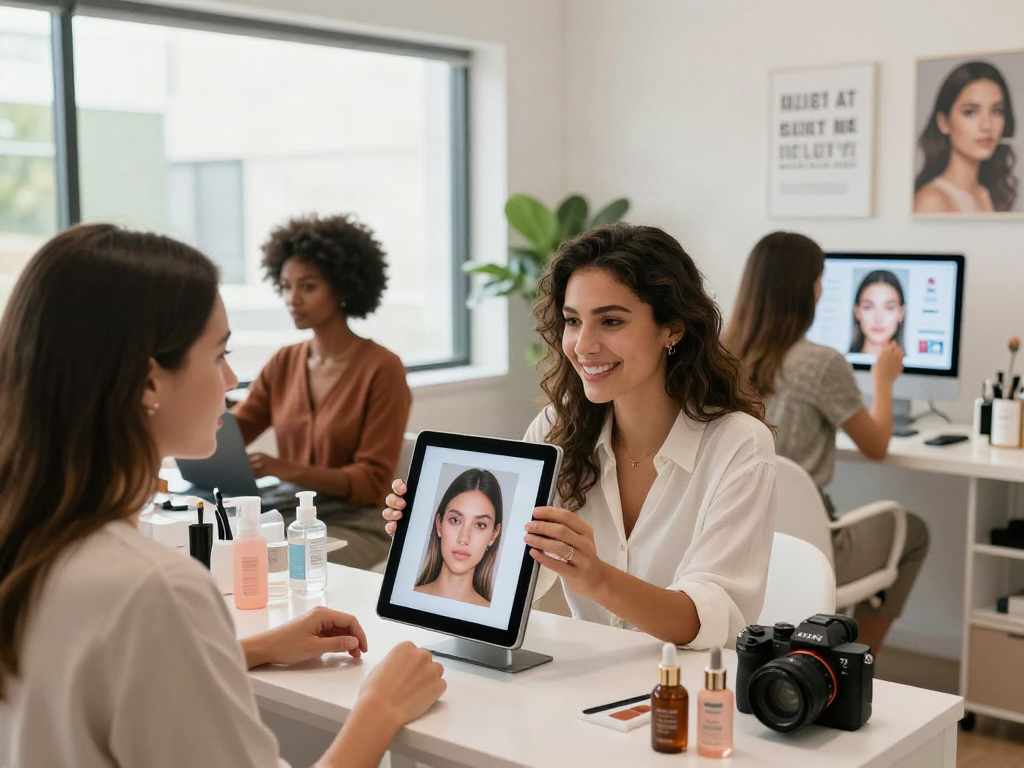
Makeup artists, stylists, and beauty consultants often leverage attractiveness testing tools to provide tailored advice to their clients. By understanding a client's unique features and how to enhance them, professionals can create customized looks that align with both modern beauty standards and personal preferences.
Personal Growth and Self-Confidence Boosts
A notable benefit of attractiveness testing is its potential to boost self-confidence. Individuals can use their scores as a benchmark for improvement, fostering a mindset focused on personal growth rather than comparison to others. This can be particularly empowering as people embrace their unique beauty while striving for their best selves.
Challenges and Limitations of Attractiveness Testing
Despite the advancements and benefits of attractiveness testing, several challenges and limitations persist that warrant consideration.
Common Misconceptions about AI Attractiveness
Many individuals believe that AI tests provide definitive measures of attractiveness. However, it is essential to recognize that beauty is highly subjective and influenced by personal and cultural factors. AI can offer insights, but it does not define self-worth or beauty in a holistic sense.
Cultural Sensitivity and Inclusivity in Testing
Beauty standards vary significantly across cultures. Attractiveness tests often reflect Western norms, which may not resonate universally. This cultural sensitivity is vital in developing AI models that account for diverse beauty standards, ensuring inclusivity in attractiveness assessments.
Limitations of Algorithm-Based Scores
Algorithmic limitations are inherent in AI attractiveness testing. These systems can be biased based on the data they are trained on, leading to skewed results that may not accurately reflect an individual's true beauty. It's essential for users to approach their scores with a critical eye and consider additional factors that contribute to attractiveness.
Future Trends in Beauty and Attractiveness Testing
As technology continues to evolve, so too will the methodologies and tools used in attractiveness testing. The next decade promises to bring about significant advancements in this field.
Emerging Technologies in Beauty AI for 2026
Future AI technologies are anticipated to incorporate augmented reality features, allowing users to visualize how different hairstyles, makeup, or enhancements might change their appearance. This interactive approach can provide a richer experience and deeper insights into personal beauty.
Impact of Social Media Trends on Attractiveness Perception
With the rise of influencer culture, social media trends will continue to shape perceptions of attractiveness. AI tools must adapt to these shifts, reflecting what consumers desire while also promoting a diverse range of aesthetics.
Predictions for the Future of Personal Beauty Analytics
Looking ahead, personal beauty analytics are expected to become more intertwined with lifestyle and wellness trends. Attractiveness assessments could evolve to include holistic health metrics, linking physical well-being with perceived beauty.
What is the best way to interpret my attractiveness score?
Interpreting your attractiveness score should be approached with a healthy mindset. Consider it a tool for self-assessment and improvement rather than an absolute measure of your worth. Identifying areas for enhancement can provide constructive avenues for personal development.
Can attractiveness tests be biased?
Yes, inherent biases in data can lead to skewed results from attractiveness tests. It's crucial to be aware of these biases and recognize that attractiveness is subjective and multi-dimensional.
How do I use my score for personal improvement?
Use your attractiveness score as a guide for personal enhancement. Focus on aspects you wish to improve while remembering that confidence and self-love are integral parts of overall attractiveness.
Are there different tests for different types of beauty?
Indeed, different tests cater to various aspects of beauty, including facial structure, skin health, and even personality traits. It's beneficial to explore multiple tests to gain a comprehensive understanding of your unique attractiveness.
What should I consider before taking an attractiveness test?
Before taking an attractiveness test, consider your motivations and expectations. Recognize that beauty comes in many forms, and this test is merely one of many tools for assessing personal beauty.