Understanding Bond Cleaning
What is Bond Cleaning?
Bond cleaning, often referred to as end-of-lease cleaning, is an extensive cleaning process necessary to secure the return of your rental bond. This type of cleaning typically occurs when tenants move out of a property, ensuring that it is left in a pristine condition, akin to when the tenant first moved in. The primary objective is to meet the expectations set forth in the rental agreement and ensure the property is ready for the next occupants.
Why is Bond Cleaning Important?
Securing your full bond refund is paramount after you vacate a rental property. Bond cleaning not only fulfills the conditions of most lease agreements but also reflects your responsibility as a tenant. If the property is not cleaned to the landlord's or property manager's standards, tenants risk losing a portion, or even the entirety, of their bond. This can lead to financial strain, which is why understanding the importance of bond cleaning can save you headaches.
Common Challenges in Bond Cleaning
Many tenants encounter several challenges during bond cleaning. Some of the most common issues include:
- Lack of Time: Managing work and social commitments often leaves little time for thorough cleaning.
- Inexperience: Many tenants lack the knowledge or skills required to effectively clean appliances, carpets, and hard-to-reach areas.
- Overwhelming Scope: The sheer amount of work involved can be daunting, causing delays or rushed cleaning.
- Not Knowing What to Clean: Without a clear checklist, it's easy to overlook key areas that must be cleaned.
Preparing for Bond Cleaning
First Steps to Take
Preparation is essential to a successful bond cleaning experience. Here’s how to get started:
- Review the Lease Agreement: Understand your obligations concerning cleanliness as specified in the lease.
- Make a Cleaning Checklist: Document the areas that require cleaning, such as kitchen appliances, bathrooms, and carpets.
- Decide Between DIY or Hiring Professionals: Assess your available time and cleaning capabilities to choose the best option.
Essential Tools and Supplies
Having the right tools and supplies can make bond cleaning more efficient and thorough. Here’s a list of essentials:
- Vacuum cleaner (with attachments for upholstery and crevices)
- Microfiber cloths
- Scrub brushes for surfaces and carpets
- Bucket, mop, and floor cleaner
- All-purpose spray cleaners
- Disinfectant for bathrooms and kitchen surfaces
- Glass cleaner for windows and mirrors
- Rubber gloves to protect hands from harsh chemicals
- Trash bags for disposal of any unwanted items
Creating a Cleaning Schedule
Scheduling is crucial, especially if you're managing a busy lifestyle. Here’s how to create an effective cleaning schedule:
- Break it Down by Rooms: Allocate specific days for different areas, e.g., kitchen, bathrooms, living rooms, etc.
- Set Timelines: Estimate how long each area will take and adjust based on experience.
- Include Prep Time: Ensure to leave time for moving furniture and other preparations.
Steps to a Successful Bond Cleaning
Room-by-Room Cleaning Guide
Cleaning systematically is essential to cover all areas effectively. Here’s a breakdown by room:
Living Areas
- Dust and wipe down all surfaces, including shelves, furniture, and decorative items.
- Vacuum carpets or clean flooring using appropriate methods.
- Ensure windows and window sills are spotless.
Bedrooms
- Wash and change bed linens.
- Dust furniture and vacuum or mop the floors.
- Clear out closets and donate unwanted clothing and items.
Kitchen
- Clean pantry shelves, oven, and fridge inside and out.
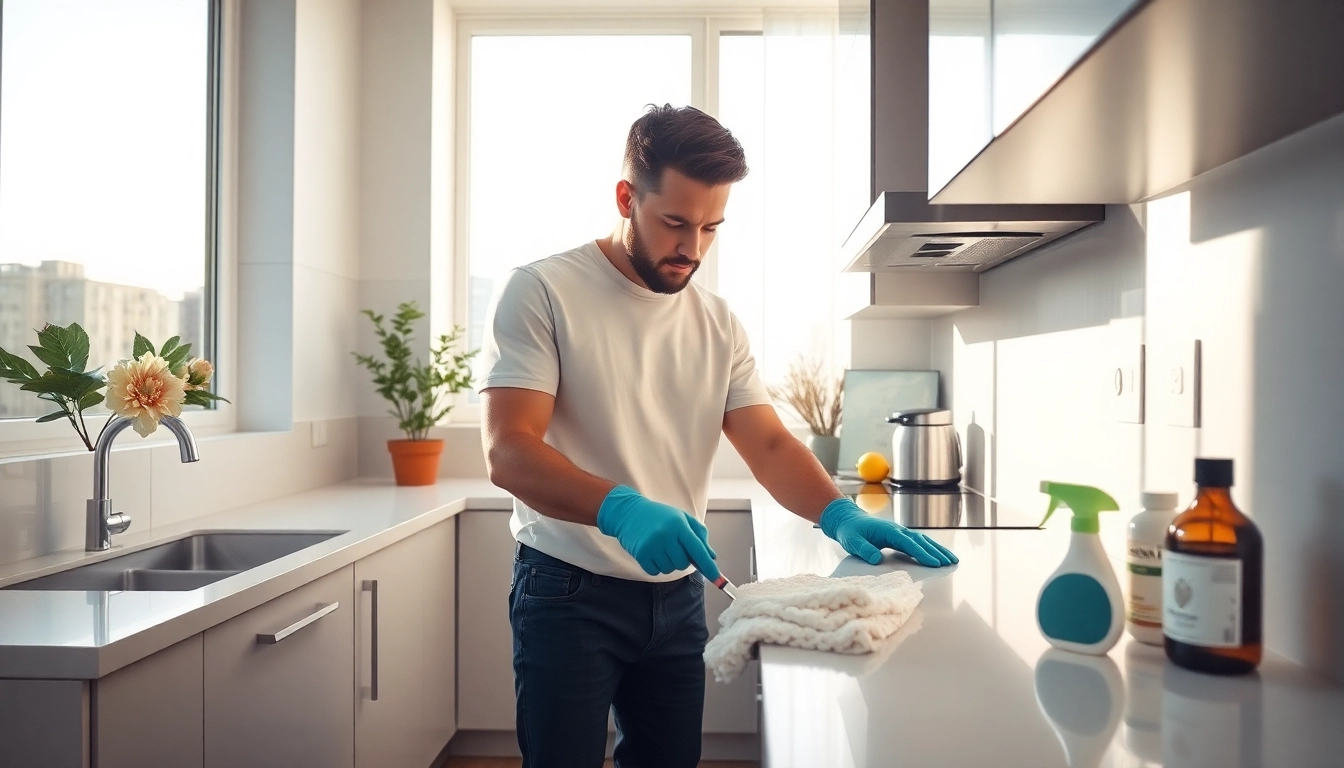
- Wipe down kitchen countertops and units.
- Scrub the sink and dispose of any leftover food and rubbish.
Bathrooms
- Scrub the toilet, shower, and sink using disinfectants.
- Clean mirrors with glass cleaner.
- Wipe down surfaces and ensure that all products are disposed of.
Focus Areas for Bond Cleaning
Certain areas demand extra attention to ensure you meet cleaning standards:
- Appliances: Clean all appliances, ensuring they are in good working order and free from residue.
- Floors: Make sure floors are vacuumed, mopped, and free of stains.
- Windows: Ensure they are cleaned without streaks; this reflects well on your overall effort.
Tips for Tackling Tough Stains
Stains can be a significant hurdle during bond cleaning. Here are some expert tips:
- For Carpet Stains: Blot, don’t rub, use a mixture of vinegar and water for best results.
- Oven Cleaning: Use a baking soda paste overnight before scrubbing for tough grease.
- Bathroom Mold: A bleach solution can effectively tackle stubborn mildew.
Common Mistakes to Avoid
Overlooking Key Areas
Many persons overlook critical spots like baseboards, light fixtures, and behind appliances. Ensure every corner is accounted for in your cleaning checklist.
Neglecting Time Management
Underestimating the time needed for cleaning leads to rushed jobs. Stick to your schedule and adjust if necessary.
Using Wrong Cleaning Products
Using inappropriate cleaning products for specific surfaces can cause damage. Always verify product compatibility with surfaces.
FAQs about Bond Cleaning
What is typically included in a bond clean?
A bond cleaning usually includes deep cleaning of all living areas, kitchens, bathrooms, and appliances, ensuring every corner is spotless.
How long does a bond cleaning usually take?
The duration of bond cleaning can vary depending on the property size, but it typically takes between 3 to 8 hours to complete.
Is it necessary to hire professionals for bond cleaning?
While it's possible to do bond cleaning yourself, hiring professionals can ensure thoroughness and save you time and effort.
Can I do bond cleaning myself?
Yes, many tenants opt to do their bond cleaning, though it requires sufficient time, effort, and knowledge of effective cleaning techniques.
What should I prepare before the cleaners arrive?
Prior to cleaners arriving, declutter spaces, clear out personal items, and make sure they have access to all areas requiring attention.
For additional insights and tips to streamline Bond cleaning, ensure to consider professional services or seek expert advice for thorough preparation and execution.