
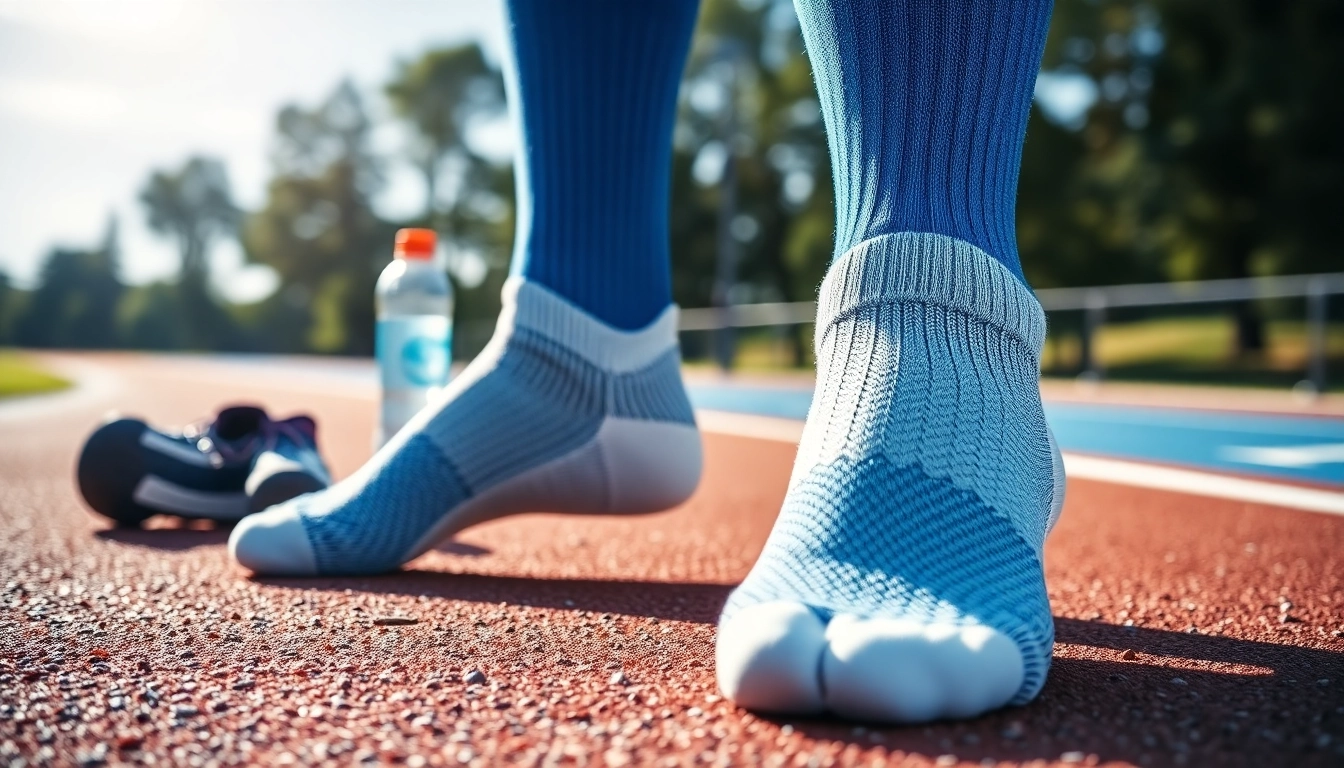
Understanding Breathable Running Socks
What Are Breathable Running Socks?
Breathable running socks are specially designed to enhance your running experience by regulating moisture and temperature. Unlike traditional socks, which can trap sweat and lead to discomfort, breathable socks incorporate advanced materials and construction techniques aimed at allowing airflow and wicking moisture away from the skin. This design not only enhances comfort but also improves overall performance, making them an essential component of any runner's gear. If you're seeking to elevate your running experience, breathable running socks are definitely worth considering.
Key Features to Look For
When selecting breathable running socks, there are several key features to keep in mind:
- Moisture-Wicking: Look for fabrics that effectively pull moisture away from the skin.
- Lightweight Construction: Heavy socks can slow you down; lightweight options keep you agile.
- Ventilation Zones: Mesh panels enhance breathability and airflow.
- Compression: Some socks offer graduated compression to enhance blood circulation.
- Seamless Design: Reduces friction and potential discomfort during long runs.
Materials and Technology Behind Breathability
Breathable running socks are crafted from a variety of materials, including synthetic fibers such as polyester, nylon, and unique blends that might include merino wool. These fabrics are engineered to be moisture-wicking, allowing sweat to evaporate quickly. Additionally, technologies such as integrated mesh panels and strategic padding are implemented to enhance airflow. Some brands utilize advanced knitting techniques that vary the structure of the fabric, further optimizing breathability and comfort. Understanding these materials can help you choose the best options suited for your running style.
Benefits of Using Breathable Running Socks
Improved Comfort During Runs
Using breathable running socks directly translates to enhanced comfort on your runs. By maintaining a dry and comfortable environment for your feet, these socks help reduce distractions caused by wetness or friction. Many runners report feeling less fatigued and more focused on their performance when wearing breathable socks, as they prevent the uncomfortable sensations that often accompany longer distances.
Reducing Risk of Blisters and Discomfort
One of the most significant advantages of breathable running socks is their ability to minimize friction-related issues, such as blisters. Enhanced moisture management means that skin stays dry, reducing the likelihood of painful blisters forming during long runs. A study showed that runners using moisture-wicking socks reported 50% fewer blister occurrences compared to those using standard cotton socks, emphasizing the importance of choosing the right footwear.
Enhancing Moisture Control
Breathability inherently equates to improved moisture control. When sweat accumulates inside a regular sock, it can lead to discomfort and even affect your balance and traction. Breathable running socks are designed to quickly wick away sweat, keeping your feet dry and preventing compromising your performance levels. Moreover, the dry environment helps in reducing the growth of bacteria, minimizing odor and discomfort.
How to Choose the Right Breathable Running Socks
Assessing Your Personal Running Style
Before purchasing breathable running socks, it's essential to assess your personal running style. Factors such as foot strike, the terrain you typically run on, and your experience can influence your sock selection. For instance, if you are a long-distance runner, you may prioritize cushioning and support. Alternatively, sprinters may prefer lightweight options for speed. Understanding these nuances can greatly enhance your running comfort.
Fit and Size Considerations
The right fit is crucial when it comes to breathable running socks. A poorly fitting sock can lead to excessive movement within your shoe, raising the potential for blisters and discomfort. Always refer to the specific sizing charts provided by manufacturers, ensuring that the sock fits snugly without being overly tight. A good rule of thumb is to choose socks that fit your exact shoe size while considering the thickness that may slightly alter fit.
Evaluating Sock Thickness and Cushioning
Sock thickness varies significantly across different brands and styles. While some runners may prefer thicker socks for added cushioning, others may opt for thinner socks to benefit from a more close-to-the-ground feel. Evaluating your preferences alongside your running conditions will help guide your decision. For instance, if you tend to run on rocky trails, thicker socks may offer more protection, while road runners might find comfort in slim profiles.
Care and Maintenance for Longevity
Washing and Drying Guidelines
Proper care for breathable running socks is vital for maintaining their performance over time. Always wash them in cold water using a gentle cycle to avoid damage. It's recommended to air dry the socks flat instead of using a dryer, which can lead to distortion of the materials. Avoid the use of fabric softeners, as they can reduce moisture-wicking capabilities.
Signs That It's Time to Replace Them
Knowing when to replace your breathable running socks is essential for maintaining optimal performance. Signs that it's time for a new pair include visible signs of wear such as holes, thinning areas, or loss of elasticity. Additionally, if you notice a decline in moisture-wicking performance or an increase in blister formation, it’s likely time to consider investing in new socks.
Storing Your Breathable Running Socks
To enhance the longevity of your breathable running socks, proper storage is important. Store them in a dry, cool place away from direct sunlight to prevent deterioration of materials. Avoid cramming them into tight spaces, as this can affect their shape and function. If possible, consider organizing them by type or purpose to make access easier when you're gearing up for your next run.
Frequently Asked Questions
Are breathable running socks necessary for all runners?
While not mandatory, breathable running socks significantly enhance comfort and reduce the risk of blisters, making them beneficial for most runners.
How do you properly wash breathable running socks?
Wash in cold water with a gentle cycle and air dry flat. Avoid fabric softeners to maintain moisture-wicking capabilities.
Can you wear breathable running socks in colder weather?
Yes, some breathable running socks are designed for cold weather, often incorporating thermal materials to retain warmth while still wicking moisture.
Do breathable running socks help with odors?
Yes, by managing moisture and incorporating antimicrobial properties, breathable running socks can help reduce foot odor significantly.
Where should I store my running socks?
Store in a dry, cool place away from sunlight. Organize by type to easily access them for use.