
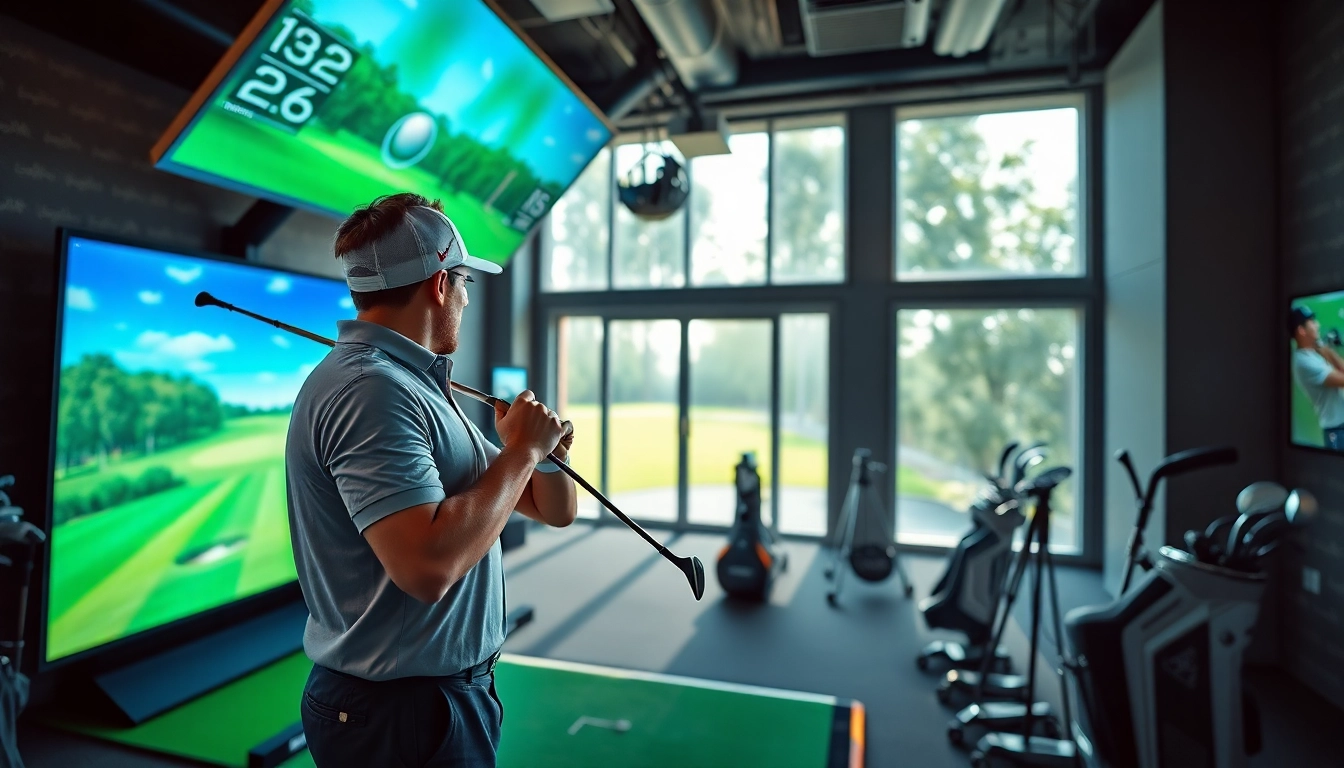
Understanding Golf Simulators
What is a Simulator?
A simulator is an advanced technology system that allows golfers to play and practice golf indoors, simulating real-life golfing conditions. Whether you are swinging at your favorite course's signature hole or honing your skills during the offseason, simulators provide an interactive and immersive golfing experience. With sensors and software designed to analyze swing mechanics and ball flight trajectories, they make it possible for players to fine-tune their game in a controlled environment.
Types of Simulators Available
Golf simulators come in various forms, each catering to different needs and preferences. Here are the primary types:
- Infrared Sensors: These simulators use infrared technology to detect ball speed and angle. They are known for their simplicity and affordability, making them popular among beginners.
- Camera-Based Systems: Utilizing multiple high-speed cameras, these simulators track the ball's path and analyze swings with great accuracy. They offer comprehensive data on each shot, which is useful for serious golfers.
- Radar Systems: Radar-based simulators employ Doppler radar to measure ball speed and trajectory. They are especially popular at commercial facilities due to their high level of precision and reliability.
- Optical Sensors: These utilize light and optics to track balls as they travel, providing detailed feedback on various swing metrics. They are often found in advanced commercial-grade simulators.
Key Features to Look For
As you explore your options, consider the following key features to maximize your golfing experience:
- Interactive Course Options: Look for simulators that offer a wide range of courses and environments to keep your practice sessions engaging.
- Real-time Feedback: Instant feedback on your swing, shot distance, and accuracy is invaluable for improvement.
- Data Tracking: Choose systems that track metrics over time, allowing you to monitor your progress.
- Compatibility: Ensure the simulator works with various devices and software for enhanced functionality and gameplay.
Benefits of Using a Simulator
Enhancing Your Skills
Golf simulators are instrumental in skill enhancement. They offer tailored feedback on every shot, allowing players to identify weaknesses specific to their swing mechanics or shot selection. With features such as video analysis and swing path tracing, golfers can make informed adjustments to improve their play. Plus, they can practice various scenarios, from long drives to tricky putts, without the unpredictability of weather and course conditions.
Convenience of Indoor Practice
The convenience of practicing indoors cannot be overstated. For golfers living in areas with harsh weather conditions or limited access to courses, simulators provide a practical alternative. Players can maintain their skills year-round, ensuring that they are always ready for the next tournament or friendly game. The ability to play at any hour of the day or night also allows for flexible practice schedules, promoting consistent improvement.
Data Tracking and Analysis
Simulators offer extensive data tracking capabilities, which make them invaluable for serious golfers. Metrics such as ball speed, launch angle, spin rate, and shot dispersion can be measured with precision. This analytical approach not only helps in assessing performance but also aids in understanding the impact of specific changes to technique or equipment. Thus, golfers can make adjustments supported by solid data rather than relying solely on anecdotal evidence.
Setting Up Your Home Simulator
Choosing the Right Space
Setting up a home simulator begins with choosing the right space. Ideally, you need at least 10 feet of height, 10 feet of width, and 15 feet of length to ensure optimal functionality and comfort while swinging. If possible, select a quiet, dedicated room free from distractions and equipped to accommodate the necessary technology. Garages or basements can often serve as ideal locations, providing ample room for a simulator setup.
Essential Equipment and Technology
The core of any at-home golf simulator system is its technology. Depending on your budget and needs, this can range from basic setups that include a projector and screen to advanced systems with integrated motion detection and high-speed cameras. Additional essential equipment includes:
- Impact Screen: A high-quality screen designed to withstand repeated impact without creasing.
- Launch Monitor: A device that gathers ball performance data.
- Computer Software: Intuitive software designed for game analysis and course simulation.
Connecting to Online Resources
Most modern simulators offer connectivity options that enable access to online resources. This can include leaderboards, skills challenges, and multiplayer sessions with friends or other players around the globe. Many systems support integration with coaching software, allowing players to upload their swing data for professional analysis. This interconnectedness amplifies the value of having a simulator at home, transforming it into a comprehensive training platform.
Comparing Simulator Brands
Price Ranges and Accessibility
The price of golf simulators varies widely based on features, accuracy, and brand. Entry-level options can start under $1,000, while high-end models equipped with cutting-edge technology can exceed several thousand dollars. When contemplating the budget, it is essential to weigh the potential return on investment regarding improved performance and enjoyment of the game. Many brands offer various tiers, ensuring there's something for every budget level.
Common Features Across Brands
While various brands may emphasize different features, several commonalities can be seen across the board. Most reputable simulators offer:
- Realistic graphics and course simulations.
- Multi-platform compatibility.
- Regular updates and access to new course options.
User Reviews and Feedback
Before purchasing a simulator, it is wise to research user reviews and feedback. Online forums and community discussions can provide insight into the experiences of other players, highlighting strengths and weaknesses in various systems. Positive reviews often reflect the ease of use, accuracy in data collection, and overall customer support while negative feedback can reveal potential pitfalls to be aware of when making your selection.
FAQs About Golf Simulators
What is a golf simulator?
A golf simulator is a system that allows you to play golf indoors using advanced technology to replicate real-life golfing conditions.
How much space do I need for a simulator?
Typically, a space of at least 10 feet high, 10 feet wide, and 15 feet long is recommended for optimal performance.
Can I use a simulator for practice?
Yes, simulators are designed for practicing swings, mastering shots, and analyzing performance metrics effectively.
What technology is used in simulators?
Golf simulators utilize cameras, sensors, and software to track the ball’s movement and provide feedback on swings.
Are simulators suitable for beginners?
Absolutely, simulators offer a supportive environment for beginners to learn skills without the pressure of the course.
Contact Information
Call Us: +1 615-624-7821Email: [email protected]Address: 1276 Northwest Broad Street, Murfreesboro, TN, USA