Understanding the Manlift
What is a Manlift?
A manlift, also referred to as an aerial work platform, is a specialized piece of equipment designed to elevate personnel to work at height safely. Typically, it features a platform mounted on an extendable framework, which can be raised or lowered to provide access for workers performing various tasks, such as maintenance, construction, and installation. These machines are essential in environments where ladders and scaffolding might be inefficient or unsafe. The design and functionality of a manlift make it suitable for both indoor and outdoor use, depending on the model and specifications.
Types of Manlift
Manlifts come in various types, each serving distinct purposes depending on operational needs. Here are the primary categories:
- Articulating Boom Lifts: These lifts have jointed arms that allow the platform to reach up and over obstacles, making them ideal for complex work environments.
- Telescopic Boom Lifts: With a straight arm design, these lifts extend vertically and horizontally, offering substantial reach for high-access tasks.
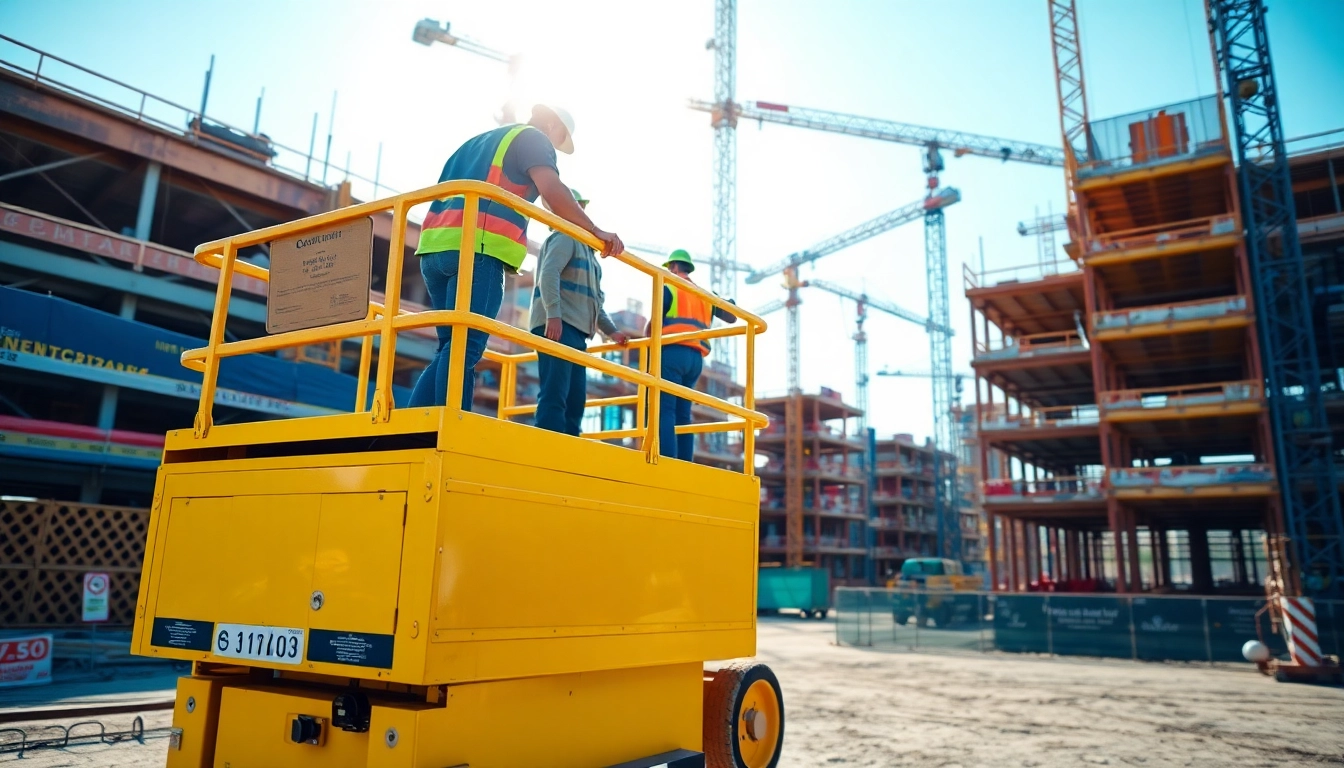
- Scissor Lifts: Known for their vertical lifting power, scissor lifts have a compact design with horizontal extension capabilities, providing stability and space for tools and personnel.
- Personnel Lifts: Often smaller and easier to maneuver, personnel lifts are designed for single users and are primarily used for tasks like indoor maintenance and light installations.
Applications in Various Industries
Manlifts are utilized across a multitude of sectors, showcasing their versatility and essential role in operations that require safe access to elevated areas. Some prominent industries include:
- Construction: Used extensively for framing, roofing, and installation tasks, providing workers an elevated workspace.
- Maintenance: Ideal for repairs in factories, warehouses, or retail environments, allowing easy access to ceilings and lighting fixtures.
- Film and Entertainment: Utilized for lighting equipment placement and camera operations in production settings.
- Telecommunication: Essential for installing and maintaining transmission lines and antennas.
- Utilities: Used for servicing and upgrading power lines and streetlights.
Benefits of Using Manlift
Enhanced Safety Measures
One of the primary benefits of using a manlift is the enhanced safety it offers. Manlifts are equipped with guardrails, secure platforms, and sometimes even safety harnesses, mitigating the risks associated with working at height. Operators are trained on safe operating protocols, and the equipment itself is designed to comply with strict safety standards. By utilizing a manlift rather than a ladder or scaffolding, businesses can significantly reduce the likelihood of falls, injuries, and subsequent liability issues.
Improved Work Efficiency
Efficiency is another major advantage that manlifts bring to the workplace. The ability to quickly elevate workers in a stable environment allows tasks to be completed faster than traditional methods would permit. With features like revolving platforms and horizontal reach, personnel can work on multiple aspects of a project without the inefficiencies that come from frequent repositioning of ladders or scaffolding. This not only improves workflow but also aids in meeting strict deadlines.
Cost-Effectiveness
Although renting or purchasing a manlift involves an initial investment, the long-term cost-effectiveness is undeniable. The efficiency gained and the reduction in accidents lead to considerable savings on insurance and project delays. Additionally, many manlifts are designed to be operated with minimal maintenance, reducing ongoing costs significantly. By integrating manlifts into operations, companies often find that they can allocate resources more effectively across projects.
Choosing the Right Manlift
Factors to Consider
Selecting the right manlift requires careful consideration of several factors:
- Height Requirement: Evaluate how high you need to reach; choose a lift that provides additional height for safety margins.
- Weight Capacity: Ensure the lift can accommodate not only the operator but also any tools and materials.
- Terrain: Assess the work environment and whether the lift is suited for uneven surfaces or tight spaces.
- Indoor vs. Outdoor Use: Certain models are designed specifically for indoor conditions, while others can be used outside and handle various weather conditions.
Common Mistakes in Selection
Making the right selection for a manlift can be challenging, and several common mistakes can arise:
- Underestimating Height Needs: Choosing a lift based on the minimum height requirement can lead to issues on site.
- Neglecting Weight Limits: Operators must be mindful of both human and equipment weight to prevent accidents.
- Ignoring Terrain Compatibility: Failing to consider the surface type can cause stability issues or damage to the equipment.
Specifications and Ratings
When selecting a manlift, it’s important to review specifications and ratings thoroughly:
- Platform Height: This indicates how high the platform can elevate. Consider your specific height needs.
- Working Outreach: This number tells you how far you can reach from the base of the lift.
- Load Capacity: Ensure you factor in the total weight you’ll carry, including the operator and tools.
- Gradeability: This rating is important for outdoor models, particularly if you’ll be working on slopes or uneven ground.
Operating a Manlift Safely
Best Practices for Operators
Operating a manlift isn’t just about knowing how to elevate; it requires a comprehensive understanding of procedures and safety protocols:
- Pre-Operational Checks: Before using the lift, conduct inspections to ensure everything is functioning as it should.
- Maintain a Safe Distance: Always keep a safe distance from power lines and overhead obstructions when working.
- Secure Your Load: Make sure tools and materials are secured to avoid falls during elevation.
- Communicate Clearly: Develop clear communication signals among team members when operating the lift.
Safety Equipment and Precautions
The use of proper safety equipment cannot be overstated when operating a manlift. Ensure that operators and personnel wear:
- Safety Harnesses: Ensure that operators are secured at all times while working at height.
- Hard Hats: Protect against falling debris or accidental bumps.
- Safety Glasses: Prevent eye injuries from airborne particles.
Regular Maintenance and Inspections
Keeping a manlift in optimal condition requires regular maintenance and inspections:
- Daily Inspections: Check all operational components before use each day.
- Scheduled Maintenance: Follow manufacturer recommendations for scheduled inspections and service to avoid equipment failure.
- Documentation: Keep records of all maintenance and inspections to ensure compliance with safety standards.
FAQs About Manlift
What is the weight capacity of a manlift?
The weight capacity of a manlift varies by model but typically ranges from 500 to 1,500 pounds, depending on the type and specifications of the lift.
How do I rent a manlift for my project?
To rent a manlift, contact rental companies to inquire about availability, specific models, rental rates, and any necessary documentation or training required.
Is training required to operate a manlift?
Yes, operators are required to undergo training that covers operating procedures, safety measures, and emergency protocols to ensure safety on the jobsite.
What safety measures should I follow?
Ensure to perform pre-operation checks, maintain a safe working distance from power lines, use proper safety equipment, and follow all operational guidelines meticulously.
Can a manlift be used indoors?
Absolutely! Many manlifts are designed for indoor use and equipped with features that make them safe and effective for tasks in warehouses, schools, and other buildings.