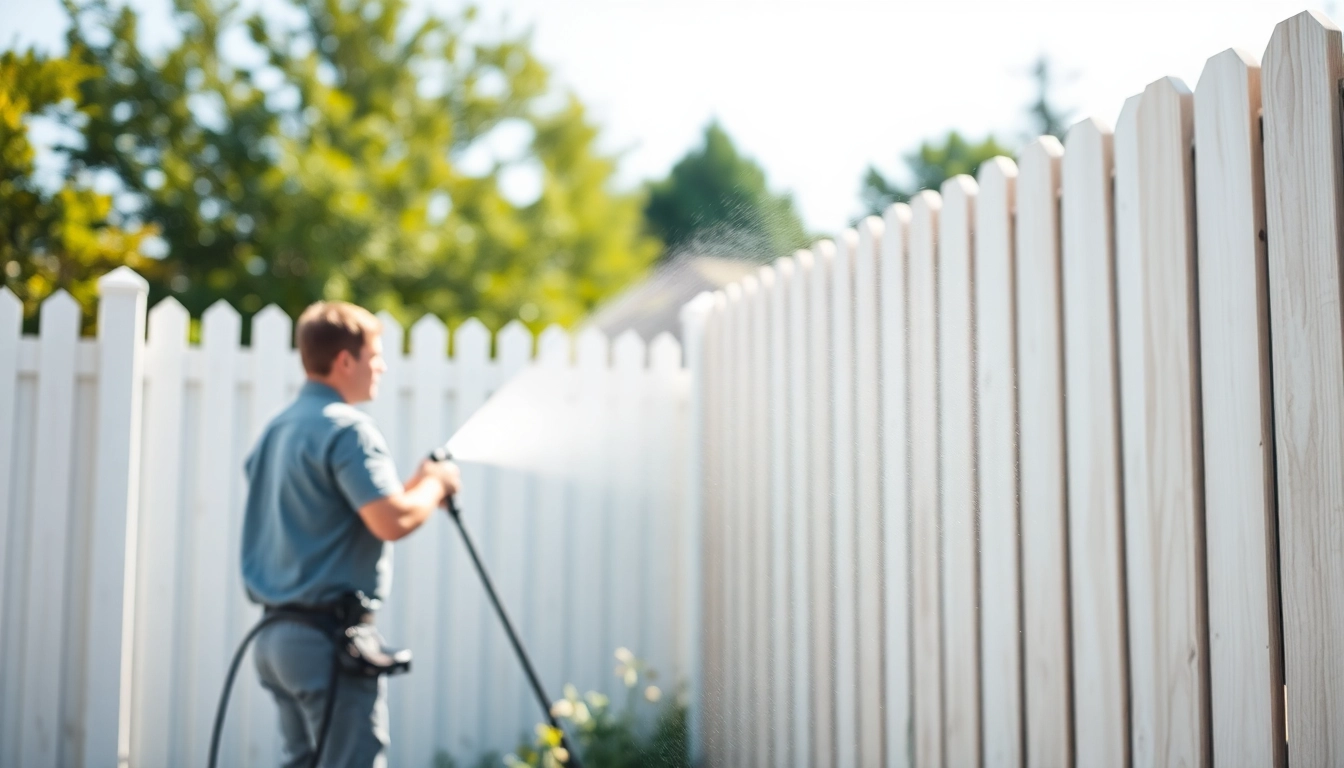
Understanding the Importance of Fence Cleaning
Fences serve both functional and aesthetic purposes in our homes, creating boundaries, offering privacy, and enhancing curb appeal. However, with exposure to the elements, fences can become dirty and discolored, diminishing their effectiveness and attractiveness. As such, Fence Cleaning is essential for maintaining not only the appearance but also the integrity of your fencing.
Why Regular Maintenance Matters
Regular cleaning of your fence plays a crucial role in preserving its lifespan. Neglect can lead to the accumulation of dirt, mold, mildew, and other contaminants, which can penetrate the material, causing structural damage over time. By investing time in maintenance, you ensure that your fence remains strong, clean, and visually appealing.
Benefits of a Clean Fence
A clean fence enhances the overall aesthetics of your property, making it more inviting. Additionally, removing harmful substances like mold and algae helps in maintaining the fence’s material integrity, which ultimately can save you from costly repairs or replacements. A clean, well-maintained fence can also improve your home’s market value.
Signs That Your Fence Needs Cleaning
Identifying the signs that your fence requires cleaning can save you from more significant issues down the line. Look for the following indicators:
- Discoloration: Noticeable stains or fading paint can indicate dirt buildup.
- Mold or Mildew: Dark patches or green spots suggest the presence of mold, which requires immediate cleaning.
- Debris Buildup: Leaves, twigs, or dirt accumulating at the base can harbor pests or cause damage.
- Flaking Paint: If the paint is peeling or chipping, it may be time for a thorough cleaning before repainting.
Common Fence Materials and Their Cleaning Needs
Different types of fences require different cleaning methods to ensure they are maintained effectively. Understanding the characteristics of each material can help you devise the right cleaning strategy.
Wood Fence Cleaning Techniques
Wood fences are susceptible to rot, bugs, and mold. The best cleaning techniques include:
- Soft Washing: Unlike pressure washing, soft washing uses a gentle stream and a cleaning solution to remove dirt and algae.
- Homemade Solutions: Mix water with vinegar or a solution of oxygen bleach and water for cleaning.
- Scrubbing: Manually scrub any tough spots using a stiff brush after applying the cleaning solution.
Metal Fence Cleaning Approaches
Metal fences, while durable, can suffer from rust if not cleaned adequately.
- Rust Removal: Use a wire brush or sandpaper to remove rust, followed by applying a rust-inhibiting primer.
- Soapy Water: Use mild dish soap mixed with water to wipe down the fence.
- Protective Coating: After cleaning, consider applying a protective coating to prevent future rust.
Vinyl Fence Cleaning Best Practices
Vinyl fences are low-maintenance but still require regular cleaning to remain pristine.
- Soapy Solution: A simple mixture of soap and water can be used with a soft brush.
- Pressure Washing: For tougher stains, a pressure washer can be effective if used carefully.
- Regular Inspections: Check for any cracks or discoloration that may indicate deeper issues.
DIY vs. Professional Fence Cleaning: Making the Choice
Deciding whether to clean your fence yourself or hire professionals can significantly affect the outcome of the cleaning process.
When to Use DIY Methods
DIY cleaning can be an excellent option for those looking to save money. If you own the necessary tools and are equipped with some experience, techniques like soft washing can be effective. However, ensure you understand the material needs to avoid damage.
Benefits of Professional Services
Hiring professionals can provide peace of mind. Their experience ensures that the cleaning is done correctly, without risk of damaging the fence. Moreover, they can address issues that may not be visible to the untrained eye, such as underlying damage or rot.
Cost Comparison of Cleaning Methods
The cost associated with fence cleaning can vary widely based on whether you opt for DIY or professional services. While DIY can be cheaper, you should consider the value of professional expertise and the time saved. Here’s a rough breakdown:
- DIY: Costs include cleaning supplies and tools, typically around $50 to $100.
- Professional: Average costs range from $150 to $600 based on fence size and condition.
How to Choose the Right Cleaning Solution
Choosing the proper cleaning solution is crucial to ensure the longevity of your fence while achieving effective results.
Natural vs. Chemical Cleaners
Natural cleaners, such as vinegar or baking soda, are beneficial for those looking to avoid harsh chemicals. However, for severe mold or stubborn stains, chemical cleaners can provide a more potent solution but must be used cautiously to avoid harming the environment.
Homemade Cleaning Solutions
Homemade solutions can be both effective and budget-friendly. Common recipes include:
- Vinegar Solution: Mix equal parts of vinegar with water.
- Baking Soda Paste: Combine baking soda and water to form a paste for tough stains.
- Oxygen Bleach: Ideal for mold and mildew, mix with water as per product instructions.
Store-bought Products to Consider
If you prefer convenience, numerous store-bought solutions are available for various materials. Always ensure that the cleaner is suitable for your specific fence type and follow instructions carefully for safe use.
FAQs About Fence Cleaning
How Much Does Fence Cleaning Cost?
The cost for professional fence cleaning varies widely, typically ranging from $150 to $600, depending on the type and size of the fence.
Can I Clean My Fence Without a Power Washer?
Yes, you can clean your fence using a garden hose and homemade or store-bought cleaning solutions. Manual scrubbing is effective for most cleaning needs.
What Cleaning Products Should I Avoid?
Avoid products with hydrochloric acid or high bleach concentrations, as they may damage your fence material or the surrounding environment.
How Often Should I Clean My Fence?
Generally, fences should be cleaned at least once a year. However, areas with high humidity or heavy foliage may require more frequent cleaning.
Can I Stain My Fence Right After Cleaning?
It’s recommended to allow your fence to dry completely after cleaning before applying any stain or sealant to ensure proper adhesion and effectiveness.