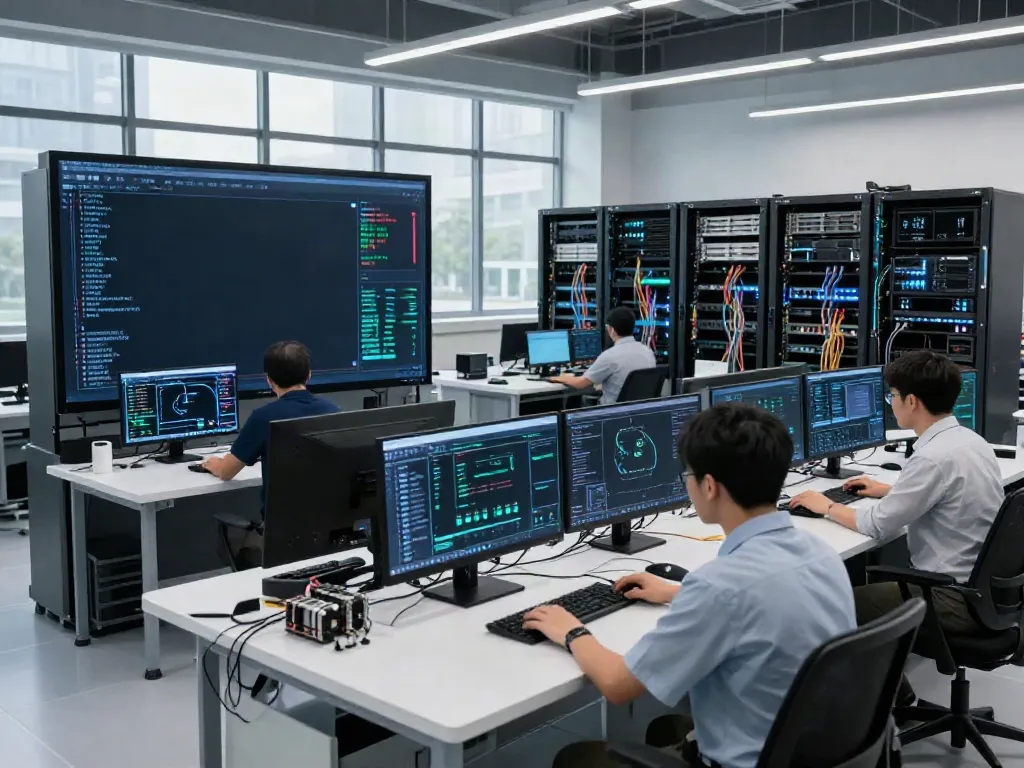
Understanding IT Support for Businesses
Defining IT Support Services
IT support for businesses includes a range of services necessary to maintain and manage technology systems effectively. This can involve troubleshooting hardware and software issues, providing network management, facilitating data backup and recovery, and ensuring cybersecurity measures are in place. IT support services can be delivered internally by an in-house team or externally through managed service providers (MSPs) who offer expertise on-demand. These services are crucial for maintaining operational efficiency and mitigating risks associated with technology failures.
Importance of IT Support for Business Success
Effective IT support is vital for a business's success in today's technology-driven landscape. With a competent IT support team, businesses can minimize downtime, ensuring operational continuity. This support allows organizations to focus on their core functions rather than getting bogged down by technical issues. Additionally, an adept IT support system can lead to improved employee satisfaction and productivity, as teams can work without interruption. It also enhances the security of data, ensuring that sensitive information is protected from breaches and potential cyber threats, which may otherwise result in significant financial loss and reputational damage.
Common Types of IT Support for Businesses
Businesses can access various types of IT support tailored to their unique needs. These include:
- Remote Support: Troubleshooting and resolving issues through remote access software to avoid lengthy on-site visits.
- On-Site Support: Technicians come to the business location for hardware repairs or installations that cannot be managed remotely.
- Help Desk Services: Providing direct assistance to employees for immediate tech issues, ensuring minimal disruption.
- Network Management: Overseeing business networks to ensure stability and security, including firewall management and VPN setups.
- Cloud Services: Managing cloud-based applications and storage to facilitate remote access and collaboration.
Identifying Business Needs for IT Support
Assessing Technical Requirements
Every business has unique technical requirements based on its size, operations, and industry. Understanding these specific needs is essential to tailor IT support effectively. A thorough assessment involves auditing existing technology systems and identifying gaps that need attention. Key areas to consider include hardware capabilities, software applications in use, user support needs, and the business’s future technology vision.
Evaluating Budget Constraints
Budget plays a significant role in determining the level of IT support a business can afford. It is crucial to balance the need for comprehensive support with financial limitations. Companies should analyze past IT costs and forecast future expenses, encompassing software licenses, hardware upgrades, and ongoing support contracts. Prioritizing IT investments that yield the highest return on investment can guide this evaluation process.
Choosing the Right IT Support Partner
Selecting the ideal IT support partner is a critical decision that can impact a business's operational efficiency and growth. Factors to consider include the provider's experience, the range of services offered, customer testimonials, and response times for support requests. Establishing clear communication channels and expectations upfront ensures that both parties align on goals and deliverables, facilitating a smoother partnership.
Implementing IT Support Services
Developing a Support Strategy
Creating an effective IT support strategy involves establishing a structured approach that defines how services will be delivered and escalated as necessary. Organizations should establish clear roles and responsibilities within their internal IT teams, if applicable, and outline processes for reporting and resolving technical issues. Moreover, regular reviews of this strategy ensure it adapts to evolving business needs and technological advancements.
Training Staff for IT Issues
Staff training is a crucial component of successful IT support implementation. Employees should be educated on common technical issues, information security practices, and when to seek IT assistance. This proactive approach not only reduces the number of minor issues that escalate into major problems but also empowers staff to utilize technology more effectively. Regular training sessions—whether in-person or online—can enhance overall technological proficiency within the organization.
Setting Performance Metrics
To gauge the effectiveness of IT support services, businesses should implement key performance metrics. These metrics can include response times to support requests, resolution rates, system uptime percentages, and user satisfaction scores. Monitoring these metrics allows organizations to identify areas for improvement and maintain accountability among their IT support teams, fostering continuous enhancement of service delivery.
Challenges in IT Support for Businesses
Dealing with Downtime and Disruptions
Every business faces the risk of downtime and its associated impacts, such as lost revenue and reduced employee productivity. An effective IT support strategy includes measures to mitigate downtime, such as regular system maintenance, performing updates after hours, and ensuring backup systems are always operational. Quick response protocols should be established to address outages or disruptions as soon as they occur, minimizing the impact on business operations.
Cybersecurity Threats and Solutions
As cyber threats continue to evolve, businesses must prioritize cybersecurity within their IT support framework. Implementing robust security practices—such as firewalls, anti-virus software, and regular vulnerability assessments—can protect sensitive data from breaches. Additionally, educating employees about potential risks and establishing clear procedures for responding to incidents enhances overall organizational resilience against cyber threats.
Keeping Up with Technology Trends
Staying updated with the latest technology trends poses a challenge for many businesses, especially those with limited resources. Regularly reviewing industry developments can help organizations make informed decisions on technological investments. Collaborating with IT support providers who stay abreast of technology trends can also provide valuable insights tailored to the specific needs of the business, ensuring they remain competitive in their respective markets.
Maximizing the Benefits of IT Support
Evaluating Results and Improving Services
To maximize the benefits of IT support, businesses must regularly evaluate the results of their IT initiatives. Analyzing metrics related to IT performance, user feedback, and market trends can uncover opportunities for improvement. Continuous feedback loops allow businesses to adapt their IT support strategies, ensuring that services align with changing business needs and objectives.
Adapting to Changing Business Needs
As companies evolve, their IT support needs will change as well. Flexibility in IT support services is crucial for adapting to new challenges and opportunities. Whether scaling up for growth, integrating new technologies, or responding to market shifts, having an adaptable IT support system allows businesses to maintain agility in their operational capabilities. Regularly reviewing and modifying IT support strategies helps ensure alignment with current business goals.
Future-Proofing IT Support Strategies
Future-proofing refers to preparing the IT infrastructure to handle upcoming technology advancements and business evolutions. Investing in scalable technologies, adopting cloud services, and ensuring that IT personnel undergo regular training are key components of future-proofing efforts. By proactively planning for the future, businesses can avoid resource strains and maintain a competitive edge in their industries.
FAQs
What is IT support for businesses?
IT support for businesses refers to services that assist companies in effectively managing their technology systems and solving tech-related issues.
How does IT support improve productivity?
By ensuring systems run smoothly and resolving technical problems, IT support allows teams to focus on their core tasks without interruptions.
What are the signs a business needs IT support?
Increased downtime, security breaches, and employee frustration with tech issues are clear indicators that IT support is needed.
Can small businesses benefit from IT support?
Absolutely! IT support can help small businesses optimize their technology, improve security, and provide better service to customers.
How do businesses choose an IT support provider?
Businesses should consider factors such as experience, service offerings, and customer feedback when selecting an IT support provider.
Contact Information
Call Us:0333 015 2615Email: [email protected]Address: Fareham Innovation Centre, PO13 9FU