Understanding Bed Bug Infestations
Bed bugs have become a common household pest, infesting homes and other spaces across the globe. Understanding these nuisances is the first step toward effective management and eradication. Particularly pesky and resilient, bed bugs often thrive in homes, hotels, and other locations, making it essential to recognize the signs of their presence and know how to deal with them; this is where hiring bed bug exterminators becomes crucial.
Signs of Bed Bug Presence
Identifying a bed bug infestation early can save you time, money, and headaches. Common signs include:
- Bite Marks: Red, itchy welts on the skin often indicate bed bug bites.
- Dark Spots: Bed bugs leave behind excrement, which appears as small dark spots on bedding and furniture.
- Live Bugs: Adult bed bugs are reddish-brown, about the size of an apple seed, and can often be found hiding in mattress seams, bed frames, and even behind wallpaper.
- Eggs and Casings: Bed bug eggs are tiny and white, while shed skins are transparent and can signify an infestation.
Common Habitats for Bed Bugs
Bed bugs are expertly adapted to living in human environments. They typically inhabit areas close to where humans sleep or rest. Some common habitats include:
- Bedrooms: Mattresses, bed frames, and headboards are prime locations for bed bug nests.
- Furniture: Sofas and chairs, particularly those in shared spaces, can host bed bugs.
- Travel Luggage: Bed bugs often hitch rides on luggage, making hotels and public transportation hotspots for infestations.
- Wall Cracks: Hiding in the crevices of walls, floors, and around baseboards provides them a safe harbor.
Health Risks Associated with Bed Bugs
While bed bugs are not known to transmit diseases, their presence can lead to several health issues:
- Skin Reactions: Some people may experience severe allergic reactions, leading to inflamed, itchy welts.
- Mental Health Effects: Sleep deprivation caused by anxiety over bites or infestations may lead to stress, depression, or other mental health issues.
- Secondary Infections: Excessive scratching can result in wounds that may become infected.
The Role of Professional Bed Bug Exterminators
Engaging professional services for bed bug control can make all the difference in effectively managing an infestation. Professionals not only have access to advanced tools and techniques, but they also possess the expertise needed to tackle even the worst infestations.
Initial Inspection Process
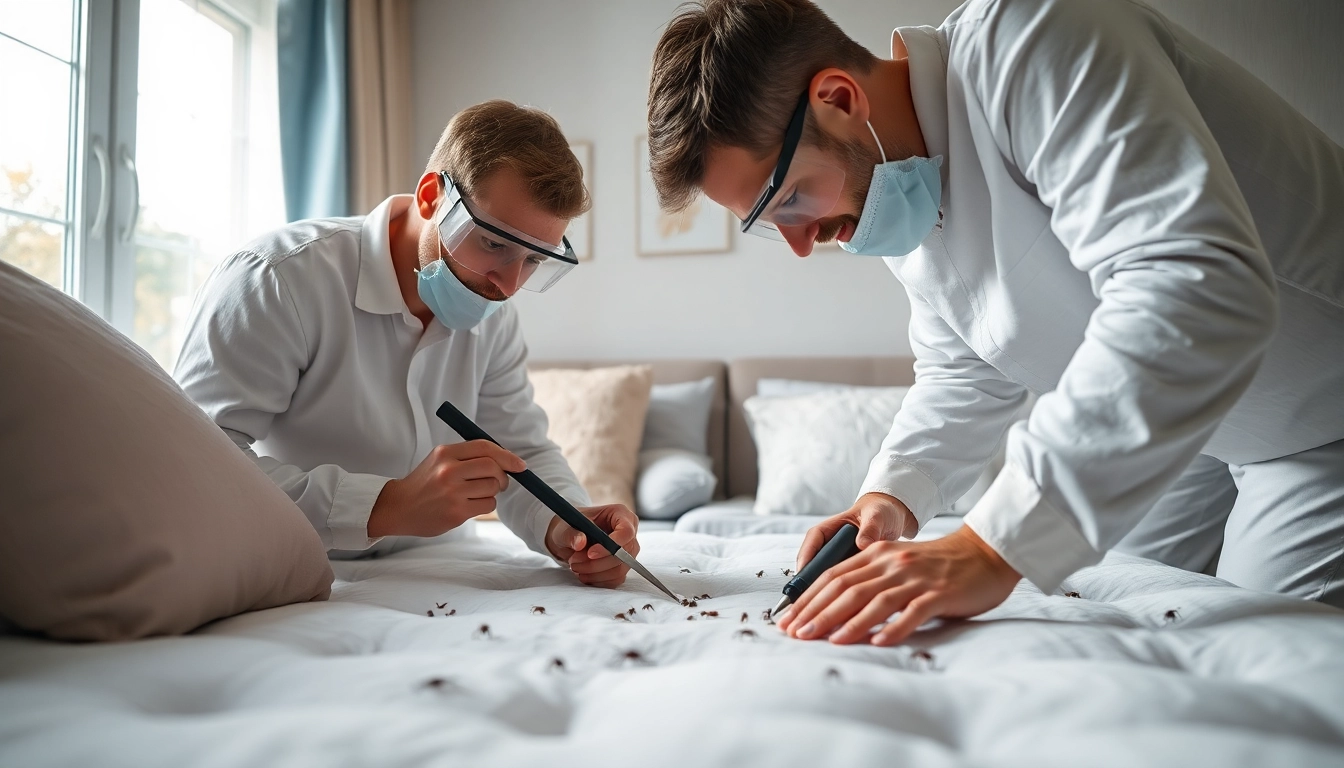
The first step professionals take is a thorough inspection. Expect them to:
- Conduct a visual inspection of potential hiding spots.
- Utilize specialized equipment, including heat detectors and vacuums, to pinpoint infestations.
- Assess the extent of the infestation to determine the best course of action for treatment.
Integration of Advanced Technologies
Modern extermination techniques employ various innovative technologies to enhance effectiveness:
- Heat Treatment: This method raises the room temperature to a level lethal for bed bugs while remaining safe for building materials.
- Chemical Treatments: Professionals select appropriate insecticides that target bed bugs without causing harm to humans or pets.
- Monitoring Tools: Bed bug traps detect and monitor ongoing activities, which help prevent future infestations.
Benefits of Professional Services
Opting for professional bed bug extermination comes with numerous benefits:
- Efficiency: Trained professionals can work more quickly and effectively than DIY methods.
- Ongoing Prevention: Many services include follow-up visits to ensure the problem is fully resolved.
- Expert Knowledge: Professionals stay updated on the latest treatment methods and pest behavior, ensuring the best strategies are employed.
DIY Methods vs. Professional Extermination
While DIY methods are a popular choice, understanding their limitations compared to professional services is essential.
Pros and Cons of DIY Treatments
Many people attempt to address bed bug issues without professional help. Here’s a look at the advantages and disadvantages:
- Cost-effective, usually involving the purchase of over-the-counter products.
- Immediate control options can be applied as soon as pests are identified.
- Often ineffective, as DIY methods may not reach all hiding spots.
- Can lead to more severe infestations if treatments fail.
- Incorrect product usage can cause harm to pets or humans.
When to Call Bed Bug Exterminators
Recognizing when to call for professional help is essential for effective management. Some signs include:
- If DIY efforts yield no results after a couple of weeks.
- When the infestation appears widespread, with numerous visible bugs.
- If you experience allergic reactions or severe discomfort from bed bug bites.
Combining Approaches for Effectiveness
A combined approach can increase effectiveness and speed up the eradication process. Employing both DIY tactics (like decluttering and vacuuming) alongside professional treatment can yield beneficial results.
Preventing Future Bed Bug Infestations
Once your living space is clear of bed bugs, it's imperative to implement strategies to avoid future infestations.
Best Practices for Homeowners
Simple actions can significantly reduce the risk of reinfestation:
- Regular Cleaning: Frequent vacuuming and washing of bedding can eliminate any residual bugs or eggs.
- Sealing Cracks: Inspect and seal potential entry points where bed bugs could enter.
- Monitor Brought-in Items: Always check second-hand furniture and luggage for signs of bed bugs before bringing them into your home.
Travel Tips to Avoid Bed Bugs
Traveling increases your likelihood of encountering bed bugs. Take the following precautions:
- Inspect hotel rooms upon arrival, checking for signs around the bed frame, mattress, and furniture.
- Keep luggage off the floor, using luggage racks instead.
- Wash and dry clothes after returning from travel to kill any potential bed bugs.
Regular Monitoring and Maintenance
Continuous vigilance leads to effective long-term prevention:
- Conducting regular inspections for any recurrence of bed bugs.
- Using traps as a monitoring tool in critical areas.
- Engaging in routine pest management practices to ensure your space remains bug-free.
FAQs About Bed Bug Exterminators
How long does the extermination process take?
The entire bed bug extermination process can take from a few hours to a few days, depending on the infestation's severity.
Are bed bug exterminators safe for pets and children?
Most professional bed bug exterminators use eco-friendly products that are effective yet gentle enough for homes with pets and children.
What should I do before the exterminator arrives?
Prepare by washing bedding and clothing, vacuuming affected areas, and temporarily relocating pets to ensure effective treatment.
How much does professional bed bug extermination cost?
The cost for professional treatment can vary between $300 and $1,500, depending on the severity of the infestation and location.
Can bed bugs return after extermination?
Yes, if the environment is not properly managed or monitored, bed bugs can return. Regular checks and preventive measures are essential.