Understanding Bed Bug Heat Treatment
What is Bed Bug Heat Treatment?
Bed bug heat treatment is an innovative pest control method that uses high temperatures to eliminate bed bugs at all life stages, including eggs, nymphs, and adults. This method involves raising the ambient temperature of the affected area to approximately 120-140°F (49-60°C) for a duration that ensures thorough extermination. This process is particularly favored because it is chemical-free, making it a safer alternative in environments such as homes, schools, and hospitals. Unlike other pest control strategies, heat treatment does not require the use of toxic substances, offering peace of mind to those concerned about chemical exposure. The treatment can be both cost-effective and efficient, often requiring just a single session to eradicate an infestation when conducted properly. For detailed information on the treatment process, check out the bed bug heat treatment options available.
Advantages of Heat Treatment
There are several advantages to employing heat treatment for bed bug infestations. Firstly, heat can penetrate and kill bed bugs hiding in walls, mattresses, and furniture, where traditional pesticides may fail to reach. Secondly, this method is capable of exterminating all life stages of bed bugs, thereby preventing future populations from emerging. Moreover, heat treatment minimizes the need for repeated applications since a single thorough treatment can yield lasting results. It's also worth noting that heat treatment can often be completed in a single day, significantly reducing the inconvenience of extended pest control processes. Finally, this approach has a low environmental impact since it avoids the use of harsh chemicals, making it a more eco-friendly solution.
How Heat Treatment Works on Bed Bugs
The science behind heat treatment is straightforward: bed bugs and their eggs cannot survive temperatures above 120°F (49°C). When the temperature within the infested area is elevated to these lethal levels for a sustained period, the bed bugs are killed through a combination of heat shock and desiccation. Specialized heaters are used to gradually bring the temperature up, ensuring an even distribution of heat throughout the room. Heaters and fans are employed to circulate hot air effectively, targeting all potential hiding spots. The meticulous process requires careful monitoring of temperature levels to ensure that all infested areas reach the necessary heat threshold for the required duration, typically four to six hours.
Preparing for Bed Bug Heat Treatment
Assessment of Infestation Level
Before proceeding with heat treatment, it's crucial to assess the level of infestation. This typically involves a thorough inspection of the affected area, examining mattresses, box springs, furniture, and baseboards where bed bugs are commonly found. Signs of infestation include visible bugs, shed skins, fecal spots, and blood stains. A detailed assessment helps determine the extent of the infestation, guiding the treatment planning. In some cases, it may be beneficial to consult a pest management professional who can accurately identify the presence of bed bugs and recommend the most effective treatment strategy based on the situation.
Home Preparation Checklist
Preparing your home for heat treatment involves several steps to ensure safety and effectiveness:
- Remove items that can be damaged by heat, such as candles, cosmetics, and electronics.
- Wash all bedding, linens, and clothing in hot water and dry on high heat.
- Vacuum carpets and floors thoroughly to remove debris and bed bugs.
- Seal any cracks and crevices in walls or furniture to prevent bed bugs from escaping.
- Inform all household members about the treatment date and necessary precautions.
Safety Precautions During Treatment
Safety is paramount during a bed bug heat treatment. The property must be vacated prior to the arrival of the heat treatment equipment. Ensure that pets are also removed from the premises. The heat treatment team should provide guidelines for specific safety measures, such as what to do with combustible materials. Additionally, it’s important to communicate any areas of concern or sensitive equipment beforehand so that proper precautions can be taken.
Executing the Bed Bug Heat Treatment
Setting Up the Equipment
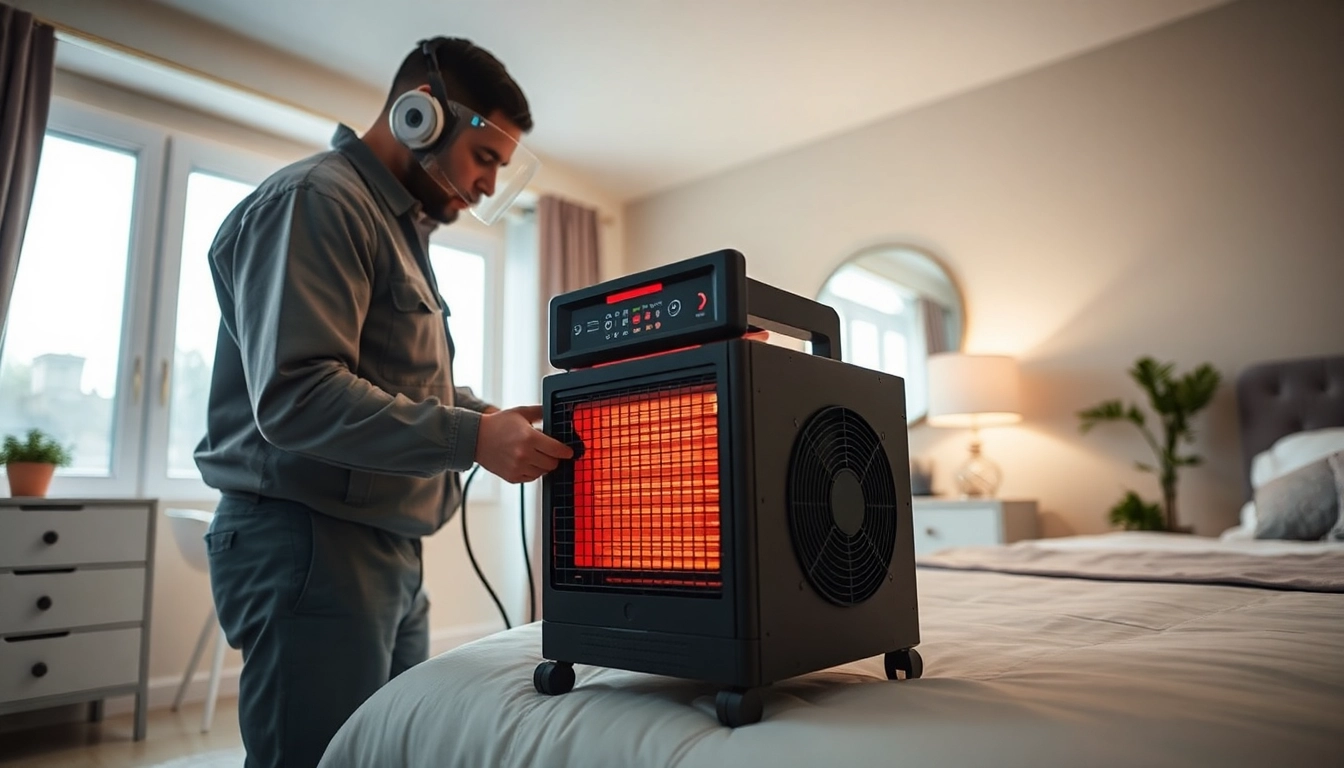
Setting up equipment for heat treatment requires trained professionals to ensure everything functions correctly. Specialized heaters are placed strategically within the treatment area to maximize heat exposure. A combination of electric and propane heaters might be utilized to achieve efficient temperature distribution. Staff should carefully position fans to promote airflow and ensure that heat is evenly distributed throughout the space, particularly in known harborage locations for bed bugs.
Monitoring Temperature Levels
Monitoring the temperature during heat treatment is crucial. Technicians use thermal sensors and infrared cameras to track temperature changes throughout the treatment area. They aim to maintain temperatures above 120°F (49°C) for a specific duration—generally at least 90 minutes to ensure effectiveness. It’s imperative to focus on cold spots where bed bugs may hide and address any areas that do not reach the desired temperature within the treatment period.
Differing Techniques for Various Spaces
Different environments may require tailored heat treatment approaches. For instance, treating a single room may involve concentrating heat in a smaller area, while an entire home or larger facility might require more equipment and a comprehensive strategy. In apartments, special attention should be given to adjoining units, as bed bugs can easily migrate between spaces. Techniques may vary based on the layout, accessibility, and design of the area being treated, requiring expert judgment.
Post-Treatment Protocols
Assessing Efficacy of Treatment
After heat treatment, it is essential to evaluate the effectiveness of the process. This may involve a follow-up inspection to look for any remaining signs of bed bugs, such as bites, fecal stains, or live bugs. Homeowners and pest management professionals may monitor the area over a set period to confirm the absence of activity. If any signs are detected, additional treatments might be necessary.
Follow-Up Actions Required
Following heat treatment, home maintenance is vital to ensure that bed bugs do not return. This includes continuing regular cleaning practices, such as vacuuming and laundering bedding and clothing regularly. Homeowners should be vigilant for any signs of reinfestation and consider preventive measures such as sealing cracks and crevices in furniture and walls. Furthermore, cooperation with neighboring units is crucial in apartment buildings to prevent the spread of bed bugs between residences.
Preventive Measures Against Reinfestation
To help prevent reinfestation, consider implementing several strategies post-treatment. Educate all household members on bed bug prevention techniques such as inspecting used furniture before bringing it home, using mattress encasements, and maintaining low clutter levels where bed bugs can hide. It may be beneficial to perform regular inspections, especially after travel or overnight guests, to catch any potential new arrivals before they become established.
Common Questions About Bed Bug Heat Treatment
How effective is bed bug heat treatment?
Bed bug heat treatment is highly effective, eliminating all life stages of bed bugs when executed correctly, usually within one session.
How long does the treatment take?
The treatment generally takes between six to eight hours, depending on the size of the space and severity of the infestation.
Are there any risks involved?
When performed by professionals, heat treatment is safe. However, there’s a risk of damage to certain items if not properly prepared for high temperatures.
Can I stay at home during treatment?
No, it’s advised for all occupants and pets to vacate the premises during the treatment for safety reasons.
Is heat treatment safe for pets?
Yes, heat treatment is safe for pets if they are removed from the premises during the process.