
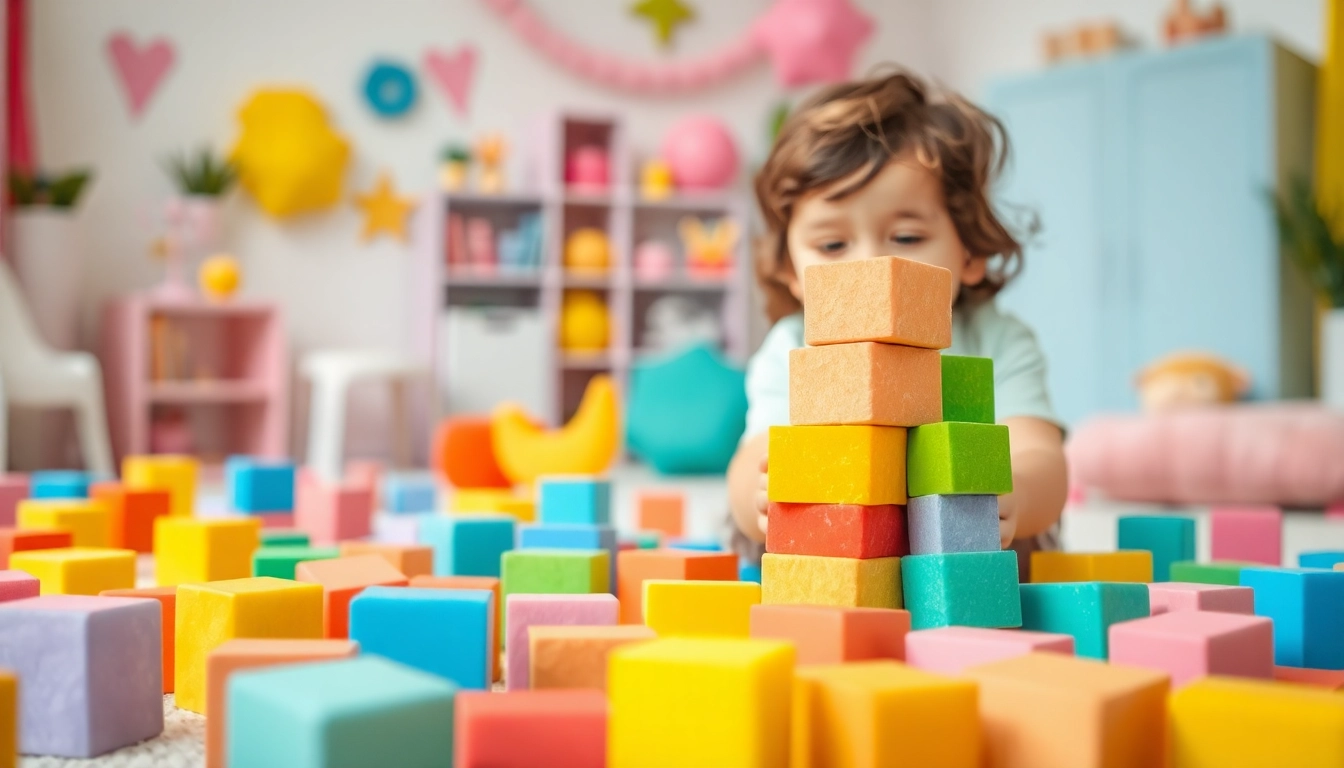
Benefits of Soft Foam Building Blocks
Soft foam building blocks are more than just colorful toys; they are essential tools in a child’s developmental journey. These versatile building materials offer a multitude of benefits that enhance various aspects of childhood growth. As parents and educators explore the finest toys for engaging young minds, the practical utility of soft foam blocks is increasingly recognized. For an in-depth comparison of options available for these toys, read more here.
Enhancing Fine Motor Skills
One of the remarkable advantages of soft foam building blocks is their ability to enhance fine motor skills in children. The act of grasping, stacking, and manipulating these lightweight blocks requires precise movements and coordination. When children engage in this type of play, they not only strengthen the small muscles in their hands but also improve their hand-eye coordination. According to developmental research, these skills are crucial for tasks ranging from writing to self-care activities such as buttoning a shirt.
Encouraging Imaginative Play
Soft foam building blocks ignite children’s imaginations, allowing them to create their own worlds. Whether they are building a castle for knights or constructing a spaceship for intergalactic adventures, the possibilities are endless. This imaginative play is not only enjoyable but also essential for cognitive development. It encourages storytelling, fosters creativity, and enables children to experiment with different scenarios, all while understanding the basics of cause and effect.
Promoting Social Interaction
In today’s increasingly digital world, promoting social interaction through play is more important than ever. Soft foam building blocks provide an engaging platform for children to collaborate and communicate with their peers. When playing together, children learn to share, negotiate, and work as a team to accomplish a common goal. These social dynamics help build essential interpersonal skills that will benefit them in all areas of life.
Choosing the Right Soft Foam Building Blocks
Not all soft foam building blocks are created equal, and selecting the right ones involves considering several important factors. Understanding the quality, safety, and design elements will ensure that the toys chosen will be both beneficial and enjoyable for the child.
Material Safety Standards
Safety should always top the list of priorities when selecting toys for children. Soft foam building blocks should be constructed from non-toxic, high-quality materials that meet safety regulations. Look for blocks that are free from harmful chemicals such as phthalates and lead. Additionally, checking for certifications from reputable organizations can offer assurance that the product adheres to strict safety standards.
Block Sizes and Shapes
The variety in sizes and shapes of soft foam blocks can greatly affect how children play with them. Larger blocks are ideal for toddlers who are just beginning to explore stacking and building, as they are easier to handle and less likely to cause frustration. Conversely, smaller, more varied shapes can offer older children a broader range of creative opportunities, allowing for more intricate designs and structures.
Age Appropriateness
When selecting building blocks, it’s crucial to consider the age appropriateness of the toy. Many manufacturers provide age recommendations that serve as valuable guides. For younger children, focusing on blocks designed for their developmental stage will ensure safe and enjoyable play. As children grow, transitioning to more complex building sets can help maintain engagement and encourage new levels of creativity and problem-solving.
Play Ideas with Soft Foam Building Blocks
Soft foam building blocks serve as a foundation for countless play ideas, each of which promotes various aspects of development. Implementing structured play activities can enhance the fun while also maximizing developmental benefits.
Building Challenges for Kids
Introducing building challenges can add an exciting element to playtime. Set specific goals such as creating the tallest tower, building a bridge that holds weight, or constructing a specific geometric shape. These challenges encourage children to think critically and problem-solve while trying to meet the set goals.
Creative Themed Construction
Themed construction activities can significantly boost creativity. For instance, children can be asked to create a zoo, a grocery store, or even a city using their foam blocks. Integrating themes can also allow for storytelling and imaginative scenarios, fostering richer play experiences and helping children to express their understanding of the world around them.
Group Play Activities
Encouraging group play with soft foam building blocks can enhance social skills and promote teamwork among children. Organize group activities where kids work together to create a large structure or participate in a collaborative building project. This not only aids in skill development but also strengthens friendships through shared accomplishments.
Incorporating Educational Elements
Incorporating educational components into playtime with soft foam blocks can provide added value. It turns a simple activity into a multifaceted learning experience that addresses various developmental areas.
Basic Geometry Learning Through Play
Soft foam blocks provide a fun way for children to learn about basic geometric shapes and their properties. Playtime can include exercises in recognizing and identifying shapes, discussing the characteristics of various forms, and even constructing shapes together. This hands-on approach makes learning geometry engaging and memorable.
Color and Number Recognition
Playing with colored foam blocks can enhance color recognition skills while incorporating counting shapes can bolster number sensitivity. Engage children in activities that involve sorting blocks by color or counting the number of blocks used in a construction project. This easy integration of academic concepts can help foster a love for learning from a young age.
Spatial Awareness Development
As children play with soft foam building blocks, they naturally develop spatial awareness. Understanding how different shapes fit together and how to balance structures builds their ability to visualize and plan in three dimensions. Incorporating games that involve following spatial directions or creating specific designs can enhance these skills further.
Maintaining and Cleaning Soft Foam Blocks
To maximize the longevity and hygienic use of soft foam building blocks, proper maintenance and cleaning are essential. Establishing a routine will keep them in excellent condition, ensuring safe play for years to come.
Best Practices for Cleaning
Soft foam blocks can be easily cleaned with soap and water or disinfectant wipes, making maintenance straightforward. Regular cleaning sessions not only keep the blocks looking fresh but also reduce the spread of germs, especially during cold and flu seasons. It is advisable to create a cleaning schedule based on usage frequency.
Storage Solutions for Toys
Creating an organized storage solution will help keep soft foam blocks easily accessible and in good condition. Consider using storage bins or canvas bags that allow for easy transportation and cleanup. Allergy-friendly storage options can also ensure children remain safe from dust and contaminants.
Ensuring Longevity of Blocks
To ensure the longevity of soft foam building blocks, avoid exposing them to excessive moisture or harsh sunlight, which can deteriorate the material. Regularly inspecting for damages or wear will help identify any potential issues early and prolong the life of the toys.
Frequently Asked Questions
What are soft foam building blocks made from?
Soft foam building blocks are typically made from non-toxic, polyurethane foam or ethylene-vinyl acetate (EVA), which are lightweight and safe for children.
Are soft foam blocks safe for toddlers?
Yes, many soft foam blocks are designed specifically for toddlers, featuring rounded edges and non-toxic materials to ensure safety during play.
How can I clean soft foam blocks?
Soft foam blocks can be cleaned using a mixture of water and mild soap or disinfectant wipes. Ensure no soaking occurs, as it may damage the foam.
What are some creative uses for soft foam building blocks?
Beyond building, soft foam blocks can be used for sorting games, balance activities, and themed play scenarios, significantly enhancing imaginative play.
Can soft foam blocks help with educational development?
Yes, soft foam blocks promote various educational developments, including fine motor skills, spatial awareness, and basic math or geometry concepts when integrated into play.