Understanding Above-Ground Storage Tank Design Principles
Above-ground storage tanks (ASTs) are used primarily for storing fuels, chemicals, and other liquids in various industries. The effective Above-Ground Storage Tank Design is crucial for both safety and efficiency. This article delves into the core components of ASTs, emphasizing the principles that dictate their design and functionality.
Basic Components of ASTs
At its core, an above-ground storage tank is a structured vessel designed to hold materials, typically liquids. Here are the basic components:
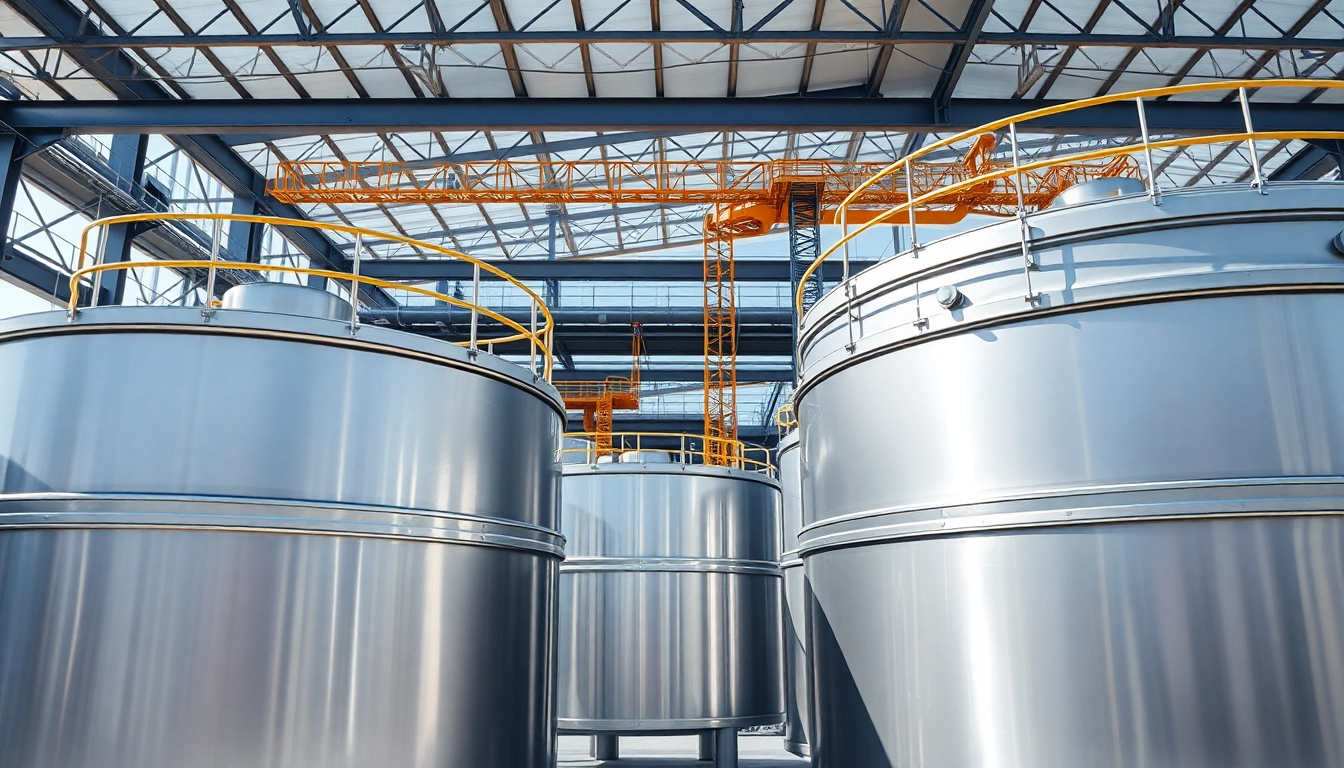
- Tank Shell: The primary structure, usually fabricated from steel or other materials, that contains the stored fluid.
- Bottom Plates: These are crucial as they support the tank and must withstand corrosion from the ground and the stored liquid.
- Roof: The design can vary; tank roofs can be fixed or floating, each serving specific needs.
- Anodes: Installed to prevent corrosion, these are sacrificial metals that corrode in place of the tank material.
- Access Hatches: For maintenance and inspection, these openings must be securely sealed to prevent spills.
- Vent Systems: These systems allow for the release of vapor and help maintain the pressure within the tank.
Key Safety Considerations
Safety is paramount in the design of ASTs, as improper design can lead to catastrophic failures. Here are some key considerations:
- Location: Tanks should be positioned away from populated areas and sensitive ecosystems.
- Containment Systems: These systems ensure that if a leak occurs, the liquid is captured rather than released into the environment.
- Regular Inspections: Routine checks for structural integrity and leaks should be established to prevent accidents.
- Employee Training: Personnel should be trained in handling and emergency protocols associated with the materials being stored.
- Fire Safety Measures: Include firefighting equipment and design features that minimize fire risks.
Regulatory Compliance and Standards
Compliance with local, state, and federal regulations is critical for ASTs. Standards such as those set by the API (American Petroleum Institute) and the EPA must be strictly followed. Key regulations include:
- SPCC Regulations: The Spill Prevention, Control, and Countermeasure plan addresses the prevention of oil spills and outlines necessary measures.
- API 650: Standards for the design and construction of welded storage tanks.
- Local Environmental Regulations: Many states have additional requirements that must be adhered to, often more stringent than federal laws.
Types of Above-Ground Storage Tanks
There are various types of above-ground storage tanks, each designed for specific applications and environments. Understanding these can aid in selecting the right type for your needs.
Vertical vs. Horizontal Tank Design
The configuration of ASTs can significantly impact their effectiveness and suitability for particular applications:
- Vertical Tanks: More common for materials like fuel oil or water, vertical tanks optimize space and allow for easy filling. They often have a smaller footprint and are typically easier to site.
- Horizontal Tanks: Often used for larger volumes and can be placed beneath structures if necessary. They are generally more stable due to their low center of gravity.
Material Selection and Usage
The choice of material for ASTs profoundly affects durability, maintenance requirements, and life expectancy. Common materials include:
- Steel: Known for its strength and stability, steel tanks are often used for petroleum and chemicals.
- Fiberglass: Offers superior resistance to corrosion, making it an excellent choice for water and chemical storage.
- Polyethylene: Lightweight and corrosion resistant, these tanks are typically used for agricultural applications.
Environmental Impact Considerations
Environmental considerations are integral to above-ground storage tank design. Key factors include:
- Ground Leaks: Designing tanks with adequate containment can mitigate environmental damage in the event of a leak.
- Life Cycle Assessment: Assessing the entire lifecycle of the tank can help in choosing materials and construction methods that minimize negative impacts.
- Pollution Prevention: Incorporating advanced sealing and containment technologies can reduce emissions and leaks.
Design Process for Above-Ground Storage Tanks
The design process for above-ground storage tanks is multifaceted, requiring careful planning and adherence to industry standards. Here is a structured view of the design process:
Initial Planning and Site Assessment
Creating an effective AST begins with thorough planning and site analysis. Key steps include:
- Conducting Site Assessments: Evaluate soil conditions, proximity to water bodies, and accessibility.
- Identifying Regulations: Research local zoning laws and environmental regulations to ensure compliance.
- Community Impact Analysis: Assess potential impacts on surrounding communities, including emergency response planning.
Engineering Design Specifications
Once planning is complete, the engineering phase involves creating detailed specifications that include:
- Tank Size and Capacity: Determine the required volume based on usage demands and future growth.
- Pressure and Temperature Ratings: Design the tank to withstand expected pressures and temperatures during operations.
- Safety Features: Integrate safety measures such as spill containment and emergency venting systems into the design.
Construction Guidelines and Best Practices
The construction phase is where the vision is turned into reality. Important guidelines include:
- Material Quality: Only use certified materials that meet the specified standards to ensure performance.
- Experienced Contractors: Choose contractors with proven experience in AST construction to mitigate risks.
- Inspection Throughout Construction: Perform regular inspections to ensure compliance with design specifications and safety regulations.
Maintenance and Inspection of ASTs
Effective maintenance and regular inspections are vital for ensuring the operational longevity and safety of ASTs.
Routine Maintenance Practices
Routine maintenance helps prevent failures and prolongs tank life. Recommended practices include:
- Visual Inspections: Regularly inspect for signs of corrosion or wear.
- Cleaning: Schedule routine cleaning to remove any buildup or residue that could affect performance.
- Tank Calibration: Check and calibrate monitoring equipment to ensure accuracy in measuring liquid levels.
Inspection Scheduling and Reporting
The frequency and thoroughness of inspections must be documented and followed to ensure compliance:
- Develop Inspection Schedules: Create a schedule based on the tank's usage and manufacturer recommendations.
- Documentation: Keep detailed records of inspections and maintenance performed for compliance purposes.
- Assessment of Compliance with Regulations: Ensure that inspections align with local regulations.
Responding to Potential Failures
While preventive measures are critical, having a plan for failures is equally important:
- Emergency Response Plans: Develop and implement procedures to follow in case of a spill or failure.
- Training Personnel: Ensure staff are trained in emergency response protocols and hazard assessments.
- Regular Drills: Conduct drills to prepare for real-life scenarios, helping to maintain readiness and compliance.
FAQs on Above-Ground Storage Tank Design
What are the lifespan expectations for above-ground storage tanks?
ASTs can last between 20 to 50 years, depending on material types and maintenance practices. Regular inspections can extend their lifespan.
Which regulations must above-ground storage tanks adhere to?
Regulations include EPA's SPCC regulations, local zoning and safety codes, and the API standards pertaining to tank design and maintenance.
How do I choose the right size for my storage tank?
Determine storage needs based on projected usage, safety regulations, and local environmental factors. It's advisable to consult with professionals to assess needs accurately.
What materials are best for constructing ASTs?
Common materials include steel for strength, fiberglass for corrosion resistance, and polyethylene for lighter applications. Choice depends on intended use and environmental conditions.
How often should inspections be conducted on ASTs?
Regular inspections should be conducted at least annually, with additional checks recommended after significant weather events or operational changes.