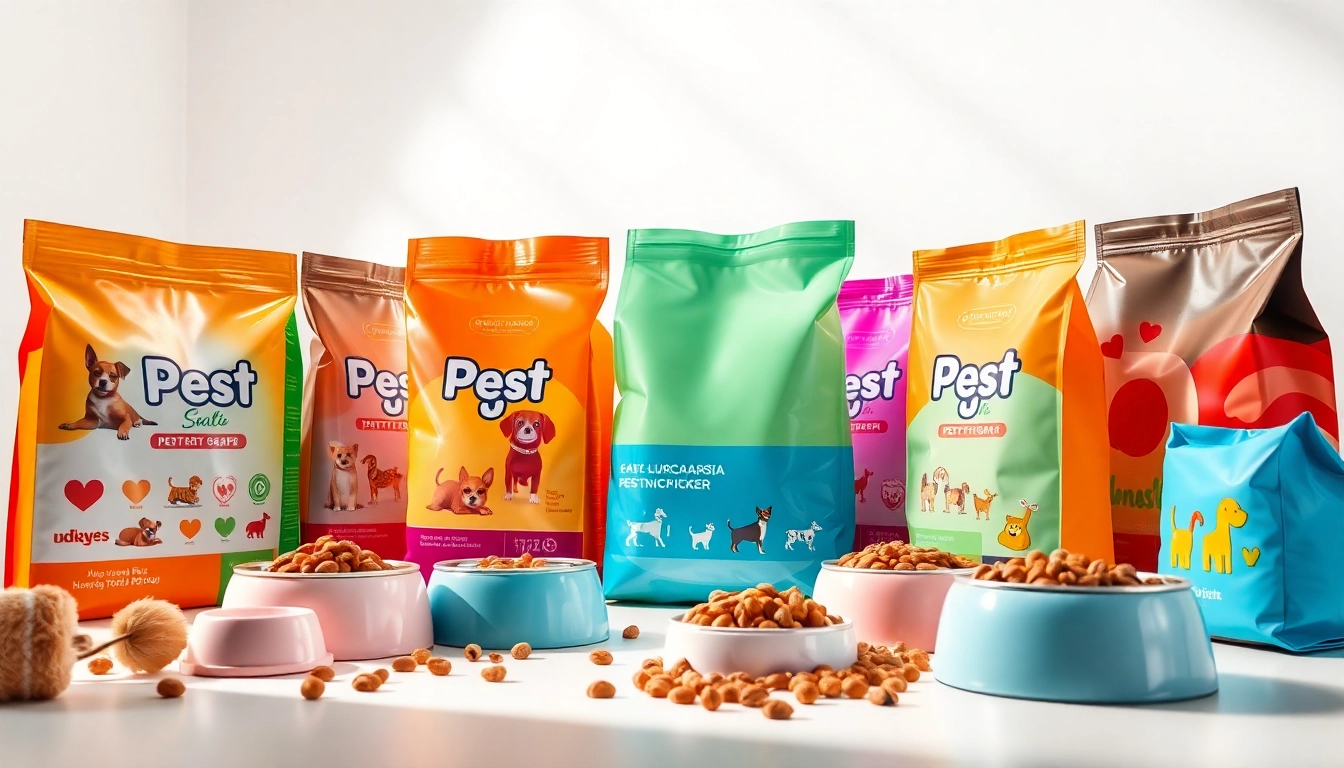
Understanding the Importance of Packaging in the Pet Food Industry
The pet food industry is a dynamic and rapidly evolving sector, characterized by a growing demand for quality, safety, and innovation. In this landscape, the role of packaging has become pivotal—not just in terms of functionality, but also in enhancing brand perception. As a business owner or decision-maker in this industry, it is crucial to understand the holistic impact packaging has on your product, from shelf life to consumer trust. A well-executed packaging strategy can significantly influence your operations, and choosing a reliable pet food packaging company is integral to this endeavor.
Impact on Shelf Life and Freshness
Packaging plays a fundamental role in extending the shelf life and maintaining the freshness of pet food. Factors such as moisture, oxygen, and light can degrade the quality of pet food, making it essential to choose packaging that acts as a barrier against these elements. High-quality materials with moisture-resistant and airtight properties not only preserve the nutritional value of the food but also prevent spoilage. Innovations like vacuum sealing and modified atmosphere packaging are gaining traction, ensuring that pets receive fresh food that retains its intended taste and benefits. Additionally, the packaging's design can facilitate the preservation process. For example, resealable bags offer convenience for pet owners while contributing to the longevity of the contents. Brands must also take into account the product type—wet food, dry kibble, or treats may require different packaging solutions to maintain freshness effectively.
Brand Image and Consumer Trust
Packaging serves as a critical touchpoint between your brand and consumers. It is often the first interaction potential customers have with your product, making it vital for positioning your brand in the competitive pet food market. A visually appealing and informative design can attract attention on store shelves, convey essential information about ingredients, and highlight unique selling propositions. Moreover, consumers are increasingly looking for transparency in product labeling. Packaging that clearly communicates nutritional information, sourcing, and production practices builds trust and enhances the brand's credibility. When shoppers feel informed, they are more likely to make confident purchasing decisions. Thus, a thoughtful approach to packaging design that resonates with consumers not only fosters loyalty but also prompts repeat purchases.
Environmental Considerations in Packaging
In the contemporary marketplace, sustainability has emerged as a priority. As concerns about plastic waste and environmental footprints grow, the pet food industry is under pressure to adopt eco-friendly packaging solutions. This shift often involves the use of biodegradable, recyclable, or compostable materials that reduce environmental impact. Companies can also explore alternative sources for packaging materials, such as plant-based plastics or recycled paper products. Communicating your brand's commitment to sustainability on your packaging can differentiate your products, especially as consumers increasingly prefer brands aligned with their values. Strategies that integrate sustainability into your packaging solutions not only address consumer demand but can also lead to cost savings from reduced raw material use and waste management efficiencies.
Types of Pet Food Packaging Solutions
A variety of packaging solutions are available to cater to the diverse needs of the pet food sector, each offering distinct advantages.
Flexible Packaging Options
Flexible packaging has gained immense popularity in the pet food industry, offering versatility and adaptability. This type of packaging typically includes pouches, bags, and wraps made of materials that can be molded and shaped, making them suitable for a wide range of products. One of the primary benefits of flexible packaging is its lightweight nature, which minimizes transportation costs and reduces the carbon footprint associated with shipping. Additionally, flexible options often require less material than rigid packaging, leading to more sustainable production methods. Pouches designed with resealable closures are particularly favored by consumers. They not only keep pet food fresh but also contribute to user convenience. Moreover, flexible packaging can be customized easily in terms of size, shape, and design, allowing brands to create unique offerings that stand out in the marketplace.
Rigid Packaging Formats
Rigid packaging, encompassing options such as jars, cartons, and tins, serves a different set of needs within the pet food industry. These containers are known for their sturdiness and ability to protect contents from external factors, making them suitable for wet foods and treats. One of the significant advantages of rigid packaging is its premium perception. High-quality materials lead to a more upscale look and feel, appealing to consumers looking for high-end products for their pets. Additionally, rigid containers often provide better stacking and display capabilities, enhancing visibility on store shelves. However, while rigid packaging holds benefits in visibility and protection, it may not be as cost-effective or environmentally friendly as flexible alternatives, particularly in terms of production and transportation.
Custom Designs for Specialized Products
Custom packaging solutions are becoming increasingly prevalent in a market that thrives on differentiation. Brands are recognizing the importance of creating tailored packaging that reflects their unique identity and appeals to their target audience. Custom designs allow for incorporating brand colors, logos, and graphics that can communicate specific messages or values. Moreover, the potential for innovative shapes or features—like easy-pour spouts or compartmentalized designs—can significantly enhance the user experience. Beyond aesthetics, specialized packaging can also address functional needs, such as varying the size to suit different pet sizes or dietary requirements. By investing in customized packaging, brands can cultivate a deeper emotional connection with pet owners, leading to increased brand loyalty.
Key Features to Look for in a Pet Food Packaging Company
When selecting a packaging partner, several key features are indispensable for ensuring a successful collaboration and the effective delivery of your products.
Material Quality and Safety Standards
The quality of materials used in pet food packaging is non-negotiable. It is essential to select a packaging company that adheres to stringent safety standards for materials that come into direct contact with food. Look for compliance with regulations relating to food safety and health, ensuring that the materials do not leach harmful substances into your products. Additionally, the packaging should possess features such as durability, barrier properties, and printability—all crucial for functional effectiveness and aesthetic appeal.
Customization Capabilities and Design Expertise
The ability to provide tailored solutions is a significant differentiator among pet food packaging companies. Evaluate their design expertise and portfolio to understand their capacity for innovation and customization. A successful partnership should enable you to work closely with their design team, ensuring your packaging aligns with your brand vision. Moreover, consider their capacity to adapt quickly to changing trends or consumer preferences. A flexible approach to customization will allow your brand to evolve and stay relevant in a competitive market.
Compliance with Regulatory and Environmental Standards
Understanding relevant regulations within the pet food industry is crucial. Packaging companies must not only comply with local regulations but also have a clear understanding of environmental standards as consumer expectations shift toward sustainability. Prioritize partnerships with companies demonstrating their commitment to environmentally friendly practices, including sourcing sustainable materials and reducing waste in production. Transparency in their processes can provide confidence that your products will meet consumer expectations.
How to Choose the Right Partner for Your Pet Food Packaging
Selecting an appropriate packaging company is a strategic decision that can significantly influence your market success. Here are crucial steps to guide you through this process.
Evaluating Supplier Credentials and Experience
Begin by investigating the credentials and experience of potential packaging suppliers. Reviewing their portfolio and seeking customer testimonials can provide insights into their reliability and capability. Look for industry certifications that validate their adherence to safety and quality standards. A strong track record, especially within the pet food sector, often indicates that they understand the unique challenges and opportunities in this market.
Assessing Delivery and Production Capabilities
A packaging partner’s production capacity and delivery efficiency can directly impact your operations. Evaluate their ability to scale according to your needs and deliver on time without compromising quality. Additionally, consider their ability to handle custom orders and changes in production volume. A responsive supply chain that can adapt to market demands is invaluable for maintaining operational continuity.
Understanding Pricing Structures and Options
Pricing can vary significantly among pet food packaging companies, influenced by factors like material choice, design complexity, and production volume. Request detailed quotes and understand their pricing structures to identify the best fit for your budget. While price is an important consideration, it should not be the sole determining factor. Balance between cost-effectiveness and quality to avoid compromising your product integrity.
Frequently Asked Questions About Pet Food Packaging
What materials are best for pet food packaging?
High-barrier films and biodegradable options are preferred for freshness and sustainability. These materials retain the food's quality while being environmentally friendly.
How does packaging affect pet food shelf life?
Airtight seals and moisture-resistant materials prevent spoilage and extend freshness. Well-designed packaging is fundamental in maintaining nutrient quality over time.
What are customizable packaging options?
Companies offer printed designs, varying sizes, and unique shapes tailored to your needs. Customization enhances brand identity and consumer experience.
What certifications should a pet food packaging company have?
Look for certifications related to food safety and environmental sustainability standards. Compliance ensures product safety and aligns with consumer values.
Can packaging influence consumer purchasing decisions?
Yes, visually appealing and informative packaging can significantly attract consumers. Effective design builds trust and encourages purchases, especially in competitive markets.