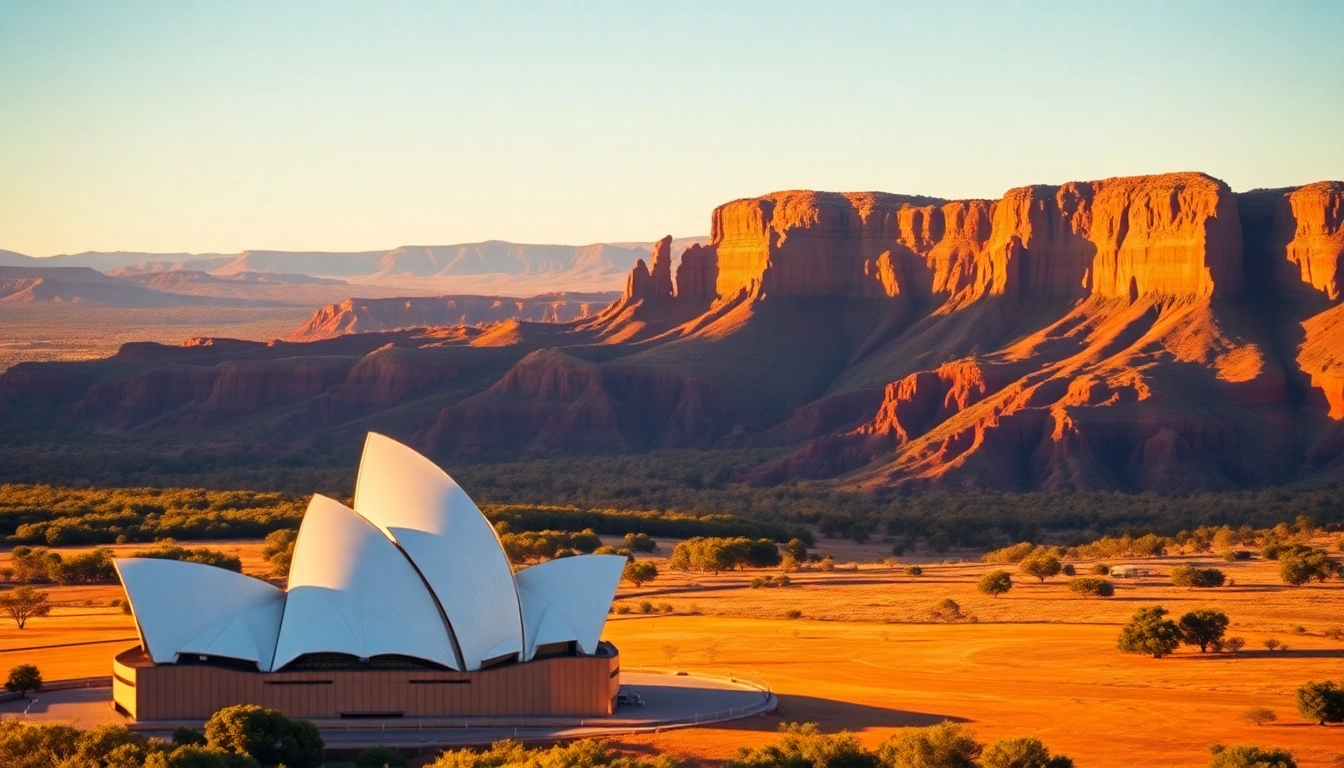
Understanding Australia: Geography and Landscape
Australia, often referred to as the “Land Down Under,” is a remarkable continent showcasing a blend of breathtaking landscapes and diverse ecosystems. Stretching over 7.6 million square kilometers, Australia is both a country and a continent, boasting vast deserts, lush rainforests, and stunning coastlines. As one of the world’s most unique destinations, its features create a compelling environment that attracts adventurers, nature lovers, and curious travelers alike. To fully appreciate all that Australia has to offer, it's essential to dive into its geography, climate, and rich wildlife. For more information, you can explore Australia further at Australia.
Key Geographical Features of Australia
The geographical features of Australia are quite diverse, contributing to its classification as the flattest and driest inhabited continent in the world. Dominating the landscape are several distinctive features:
- The Great Dividing Range: This mountain range runs along the eastern coast from Queensland to Victoria, influencing both climate and biodiversity across the continent.
- Deserts: Australia's interior is home to vast arid regions, such as the Simpson and Great Sandy Deserts, known for their contrasting colors and unique ecosystems.
- Coastal Areas: With over 34,000 kilometers of coastline, Australia’s beaches, like Bondi and Byron Bay, showcase picturesque landscapes and play host to marine life.
- The Outback: Characterized by its rugged terrain, the Australian Outback encompasses vast stretches of land where traditional Aboriginal culture thrives amidst natural beauty.
Major Climate Zones in Australia
Australia’s climate is as varied as its landscape. It can be broadly classified into several climate zones:
- Tropical Climate: Found in the northern regions, this area experiences warm temperatures year-round, with distinct wet and dry seasons.
- Desert Climate: The central part of Australia features dry, arid conditions, with minimal rainfall contributing to the desert ecosystem.
- Temperate Climate: The southern regions have a temperate climate with four distinct seasons, where you can enjoy mild winters and hot summers.
- Coastal Climate: Coastal areas witness a moderating influence from the ocean, leading to milder weather patterns with increased humidity.
Wildlife Unique to Australia
Australia is renowned for its extraordinary biodiversity and is home to numerous species found nowhere else on Earth. The continent’s isolation has fostered an evolutionary environment conducive to unique wildlife:
- Koalas: These iconic marsupials are synonymous with Australia, spending most of their lives in eucalyptus trees.
- Kangaroos: A symbol of Australia, these fascinating creatures are known for their powerful hind legs and unique hopping method.
- Platypus: One of the few egg-laying mammals, the platypus is a remarkable example of Australia’s diverse wildlife.
- Coral Reefs: The Great Barrier Reef, a UNESCO World Heritage Site, is home to thousands of marine species, making it a hotspot for biodiversity.
Culture and Society in Australia
Australia's cultural landscape is a tapestry woven from a multitude of threads, reflecting a rich history and multicultural society. The blend of ancient Indigenous cultures and influences from various immigrant populations contributes to a vibrant societal framework uniquely Australian.
Diversity and Multiculturalism in Australia
Australia is widely recognized as one of the most multicultural nations in the world. With over 300 different ancestries represented, the cultural diversity enriches local communities through language, festivals, and culinary experiences. Key aspects include:
- Immigration: Australia has long been a destination for immigrants, contributing to its diverse population. Each wave of newcomers has influenced local culture.
- Celebration of Cultures: Festivals such as Diwali, Lunar New Year, and NAIDOC Week exemplify Australia's commitment to cultural recognition and the celebration of heritage.
- Language: English is the predominant language, but over 200 languages are spoken across the country, embodying its cultural variety.
Traditional Aboriginal Culture
Australia is home to the world's oldest continuous culture, the Aboriginal and Torres Strait Islander peoples, who have lived on the continent for over 65,000 years. Key elements of Aboriginal culture include:
- Connection to Land: Aboriginal peoples have a deep spiritual connection to their land, viewing it as sacred and integral to their identity.
- Art and Storytelling: Aboriginal art forms, such as dot painting and bark painting, convey stories of the Dreamtime – a significant cultural narrative.
- Language Preservation: Efforts to revitalize Indigenous languages are ongoing, helping to maintain cultural identity and heritage.
Modern Australian Lifestyle
The modern Australian lifestyle blends outdoor activities, social engagements, and a laid-back attitude. Key features include:
- Sports: Australians are passionate about sports, with Australian Rules Football, cricket, and surfing being immensely popular.
- Cuisine: The food scene is a reflection of multicultural influences, from casual barbecues to gourmet dining, showcasing a fusion of flavors.
- Outdoor Living: With a generally favorable climate, outdoor activities pervade daily life, from beach outings to hiking adventures.
Travel Highlights and Must-See Destinations
Australia's extensive and varied landscape presents countless travel opportunities, from stunning cities to breathtaking natural environments. Each destination offers unique experiences that cater to all types of travellers. Here are some highlights:
Iconic Cities to Visit in Australia
Australia is home to several iconic cities, each offering its own character and attractions:
- Sydney: Famous for the Sydney Opera House and Harbour Bridge, Sydney combines stunning architecture with beautiful beaches like Bondi.
- Melbourne: Celebrated for its arts and culture scene, Melbourne is packed with galleries, street art, and a vibrant café culture.
- Brisbane: Known for its warm climate, Brisbane offers a relaxed atmosphere, parks, and proximity to the Great Barrier Reef.
- Perth: This city combines urban living with coastal beauty, providing access to stunning beaches and the nearby Swan Valley wine region.
Nature Reserves and National Parks
Australia boasts a wealth of national parks and nature reserves that protect its diverse ecosystems:
- Uluru-Kata Tjuta National Park: A sacred site for Indigenous Australians, it features the iconic Uluru rock formation.
- Great Barrier Reef Marine Park: The world's largest coral reef system, it offers breathtaking diving experiences and marine biodiversity.
- Kakadu National Park: This UNESCO World Heritage site is known for its diverse wildlife, stunning landscapes, and rich Aboriginal cultural heritage.
- Blue Mountains: Located near Sydney, the Blue Mountains provide hiking trails, waterfalls, and breathtaking vistas of the natural landscape.
Hidden Gems Across Australia
In addition to famous landmarks, Australia is dotted with hidden treasures worth exploring:
- Esperance, Western Australia: Known for its pristine beaches and crystal-clear waters, it's a lesser-known paradise.
- Bay of Islands, New South Wales: Comprising over 100 islands and islets, this area provides beautiful scenery and unique marine life.
- Wallaroo, South Australia: This charming coastal town offers delightful beaches and a rich maritime history.
- Margaret River: A world-renowned wine region known for its vineyards and breathtaking coastal views.
Economy and Lifestyle: Living in Australia
The economy in Australia is robust and diverse, offering a high standard of living and numerous opportunities. Yet, living in Australia comes with its unique challenges. This section provides insight into the cost of living, job market, and the healthcare and education system.
Cost of Living Insights in Australia
The cost of living in Australia can vary greatly depending on the location, lifestyle, and individual circumstances. Key considerations include:
- Housing: Major cities like Sydney and Melbourne can have high rental prices, while regional areas may offer more affordable options.
- Transportation: Public transport systems are available, but many Australians prefer owning cars for convenience.
- Daily Expenses: Groceries, dining out, and entertainment will vary upon location, but urban areas typically come with higher price tags.
Job Market and Opportunities in Australia
Australia boasts a strong economy characterized by low unemployment rates and various job opportunities. Key factors include:
- Industry Growth: Key sectors include healthcare, education, technology, and mining, with ongoing demand for skilled workers.
- Inclusion Policies: Australia's workforce focuses on inclusivity and diversity, enabling various groups to find opportunities.
- International Workforce: Numerous visa pathways allow skilled immigrants to contribute to the local job market.
Healthcare and Education System in Australia
Australia's healthcare and education systems are regarded among the best globally, contributing to a high quality of life:
- Healthcare: The public healthcare system, Medicare, provides essential services to all Australian citizens and residents, making healthcare accessible.
- Education: Free education is available in public schools, while universities rank highly in global standings, attracting students from around the world.
- Skill Development: Specialized training programs ensure that individuals continually enhance their capabilities to meet job market demands.
FAQs about Australia
What is the best time to visit Australia?
The best time to visit Australia depends on the region, but generally, spring (September to November) and autumn (March to May) offer pleasant weather and vibrant landscapes.
Is it expensive to live in Australia?
The cost of living varies across Australia. Major cities like Sydney and Melbourne are typically expensive, while regional areas can be more affordable.
What languages are spoken in Australia?
English is the primary language spoken in Australia, but more than 200 languages are represented due to its multicultural population.
What are the most popular foods in Australia?
Australia boasts diverse cuisine, with popular dishes including meat pies, vegemite on toast, and the famous Aussie barbecues featuring fresh seafood and lamb.
Is travel safe in Australia?
Yes, Australia is considered safe for travelers, with low crime rates and a friendly atmosphere. However, it's always wise to take standard travel precautions.